



Article by AJ Winter
The most subversive thing an artist can do is make you forget you’re experiencing art. No placard on the wall. No white cube. No curator’s note explaining what you’re supposed to feel. Just a situation, a public space, and the slow realization that something is happening. That tradition has a lineage, from Kaprow to Yoko Ono to Chris Burden. And its latest and most unexpected entry point came last week when Drake unveiled the magnum opus of his album rollout.
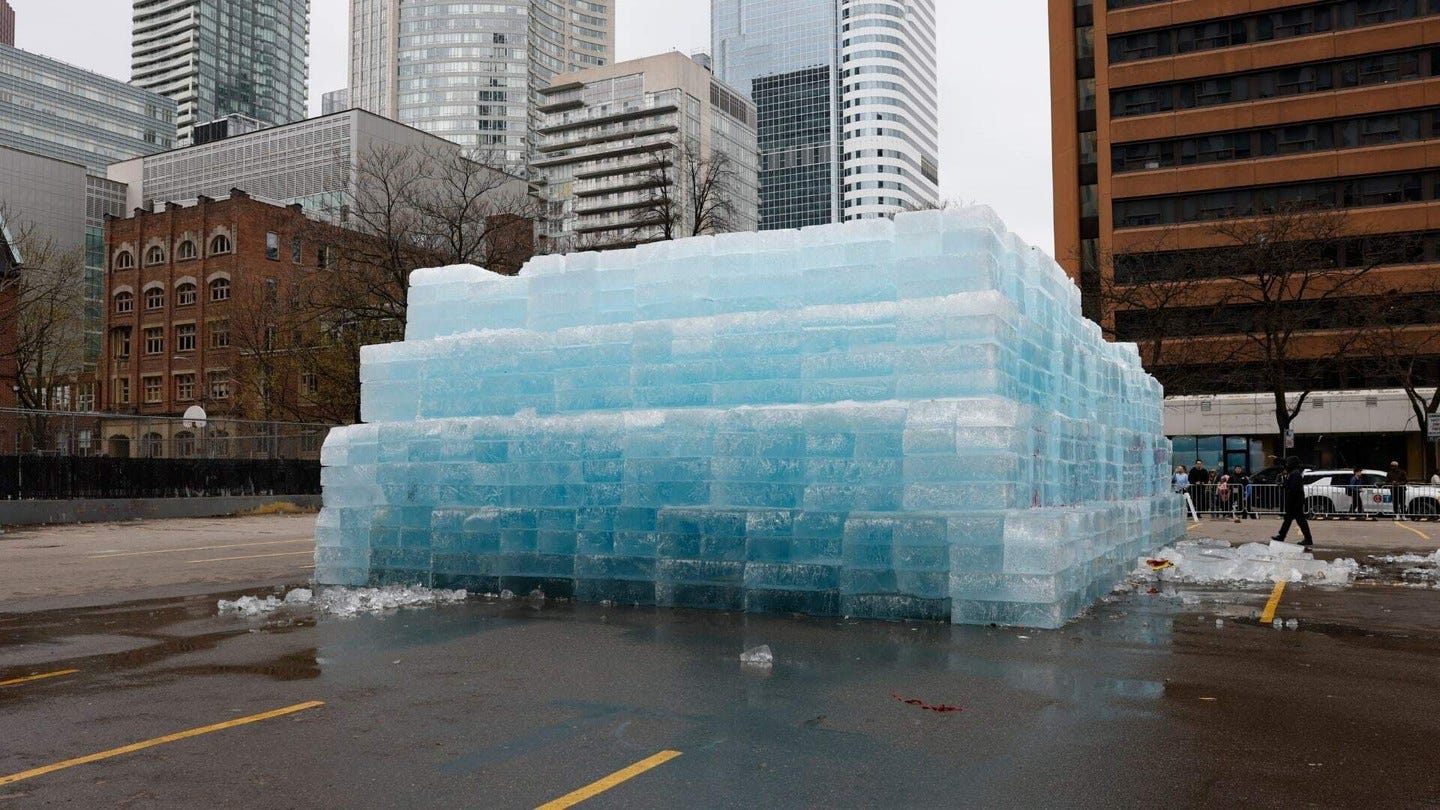
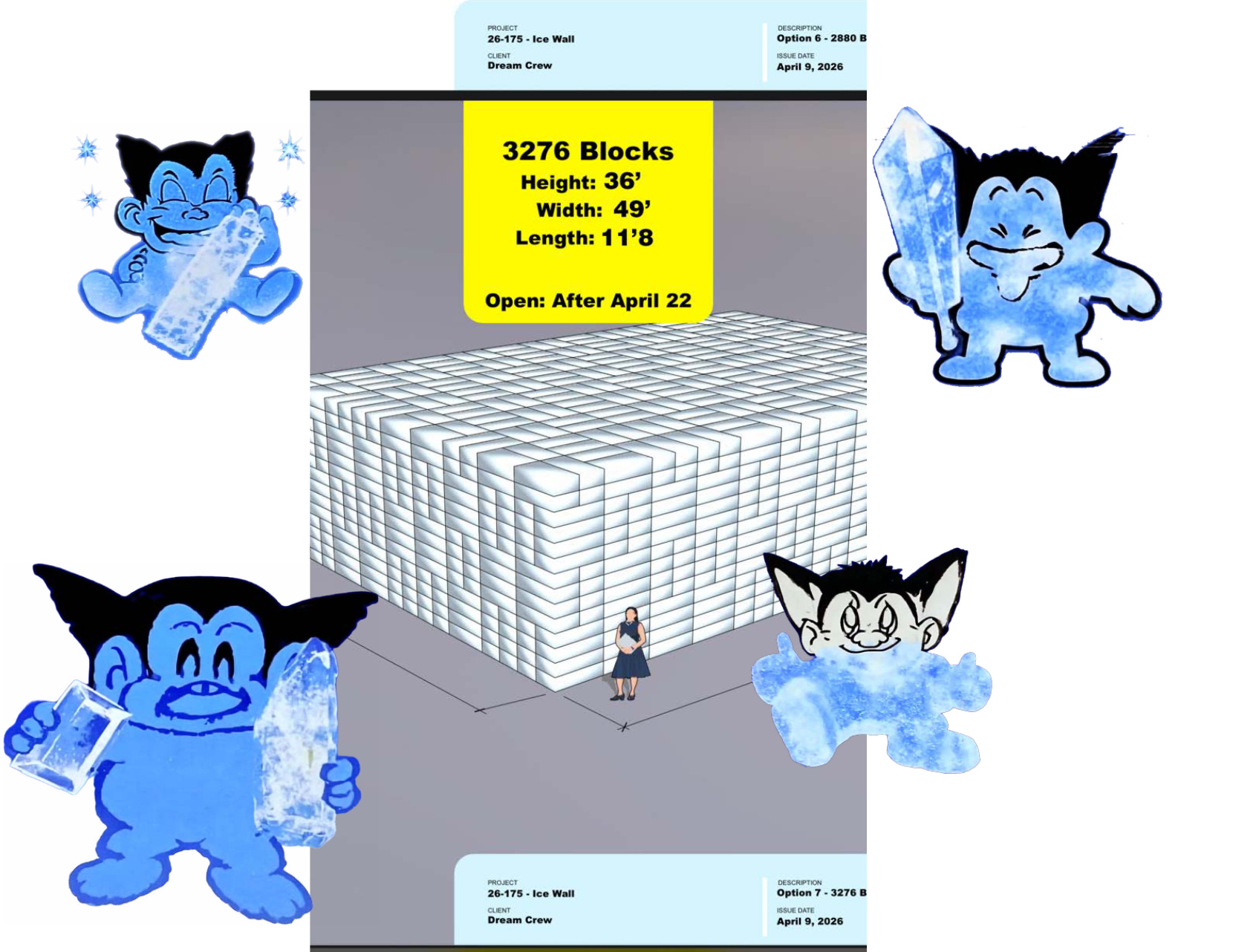
On the night of April 20th, crews in orange vests were spotted unloading pallets of ice in a downtown Toronto parking lot. It did not take long for passersby and residents of the high rises above to realize what was happening, as the 6 God himself was boots on ground, sporting a Packers letterman jacket (homage to their 1967 Ice Bowl victory, obviously) overseeing the operation. It literally blew up my Twitter after every talking head in hip hop media sprayed “Iceman otw” on the timeline last week (Fantano you’re dumb and reactive buddy). So naturally, we presumed new music was on the way, until this IG story revealed an album release date frozen into this tower of ice blocks.
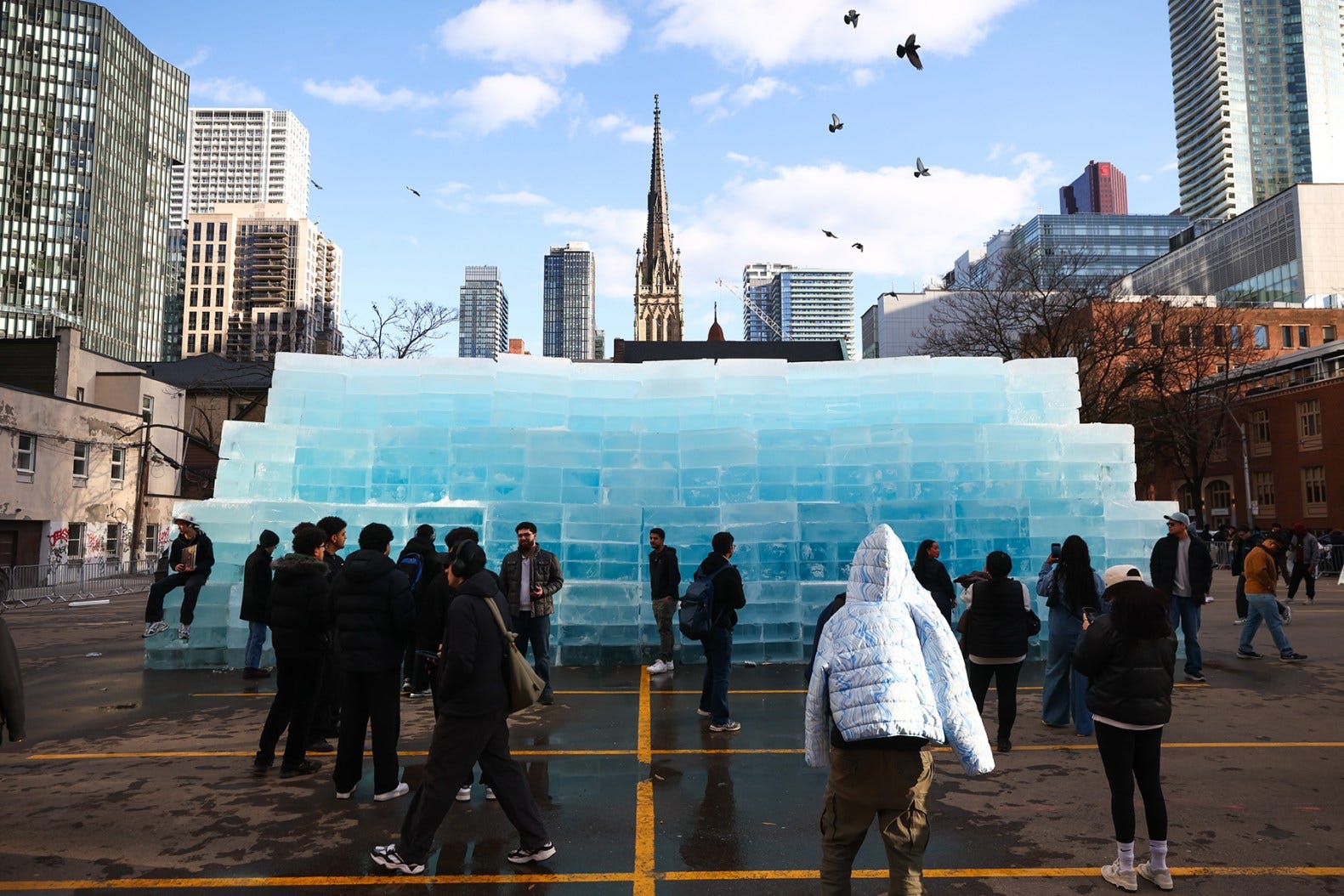
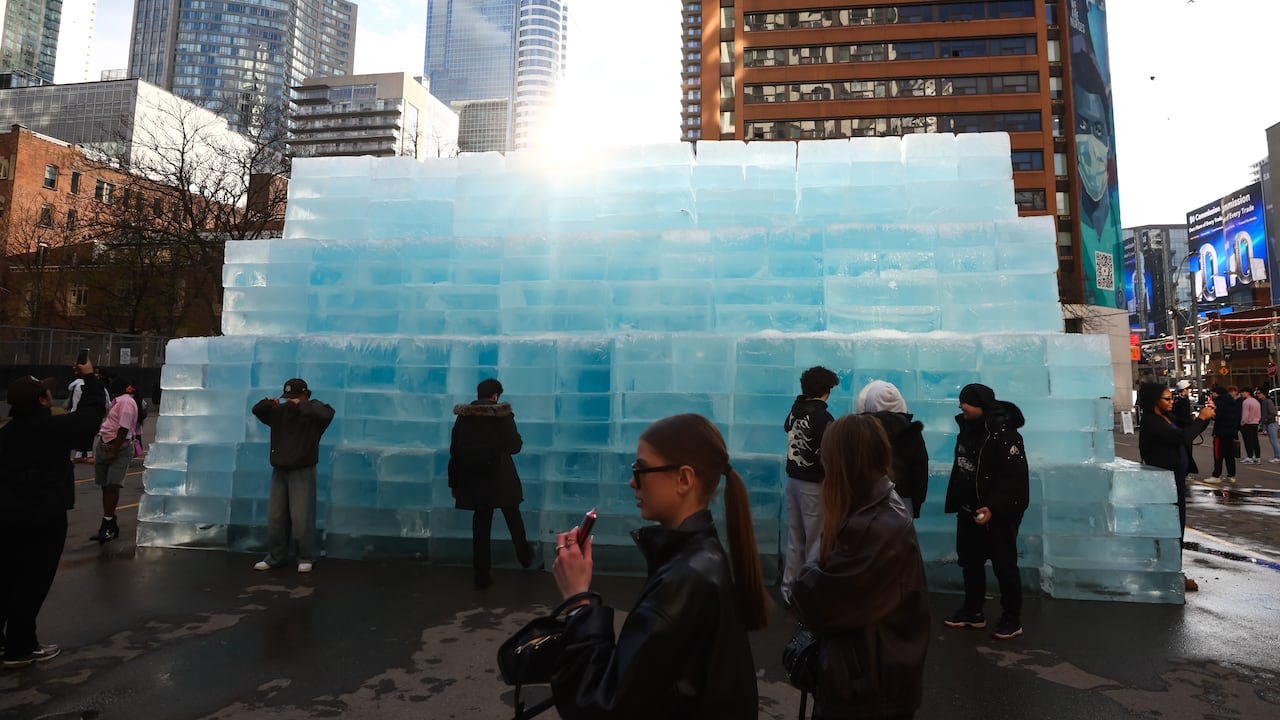
Now to understand why the ice structure is more than Drake planting his flag, we’ve gotta go back to 1967 and Allan Kaprow. The man who invented the term “happening,” had erected a series of large rectangular enclosures made entirely of ice blocks at public locations across California. He called it Fluids. Built with the help of volunteers and installed without instruction or explanation, the structures were simply left in place to do what ice does. There was no big reveal. The melting was the point. Kaprow’s entire philosophy was rooted in the idea that art didn’t need to be permanent to be meaningful. An idea, and the physical trace it leaves behind, is enough.
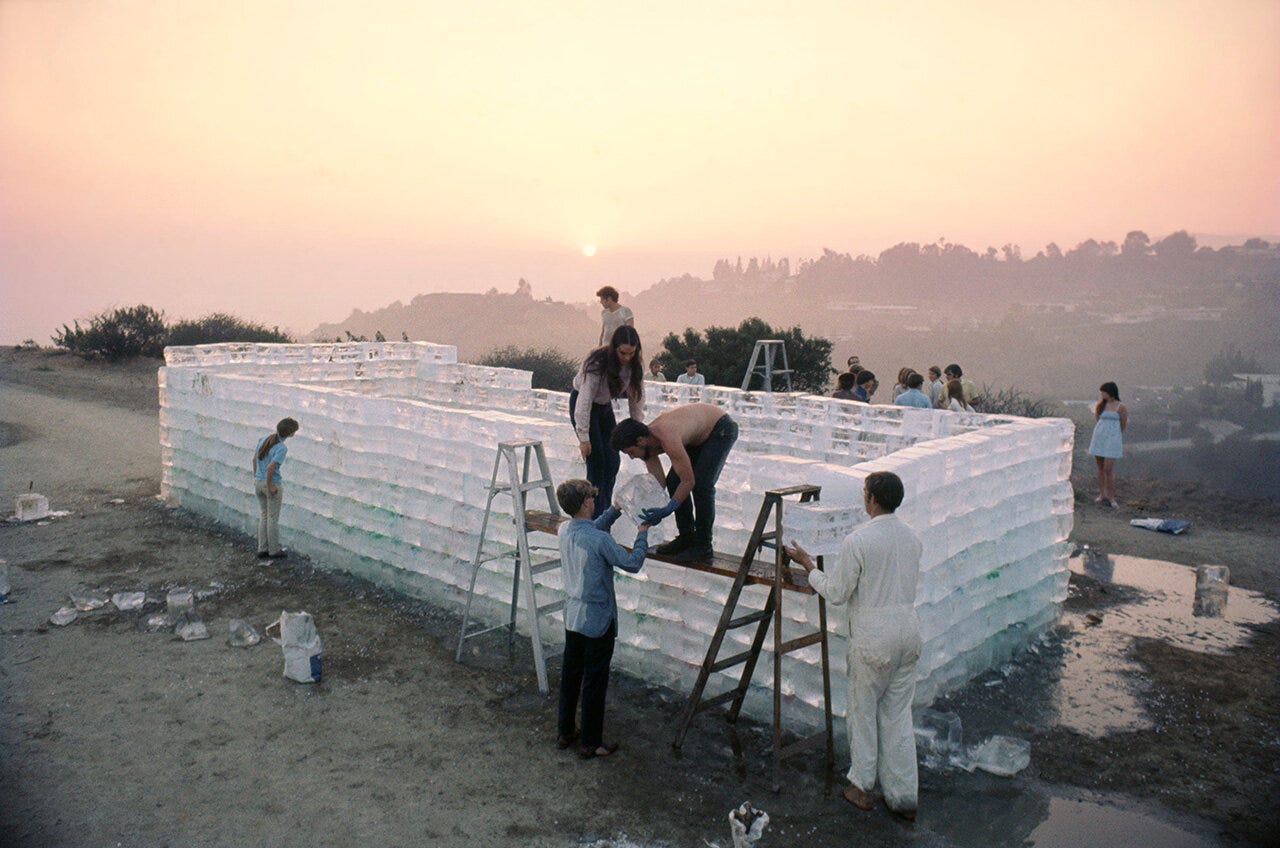
Clearly, Drake took a liking to Kaprow’s work because in 2024, his OVO burner account @plottttwistttttt posted Fluids directly. Clearly, this wasn’t a coincidence or a loose inspiration. No one’s reaching here.
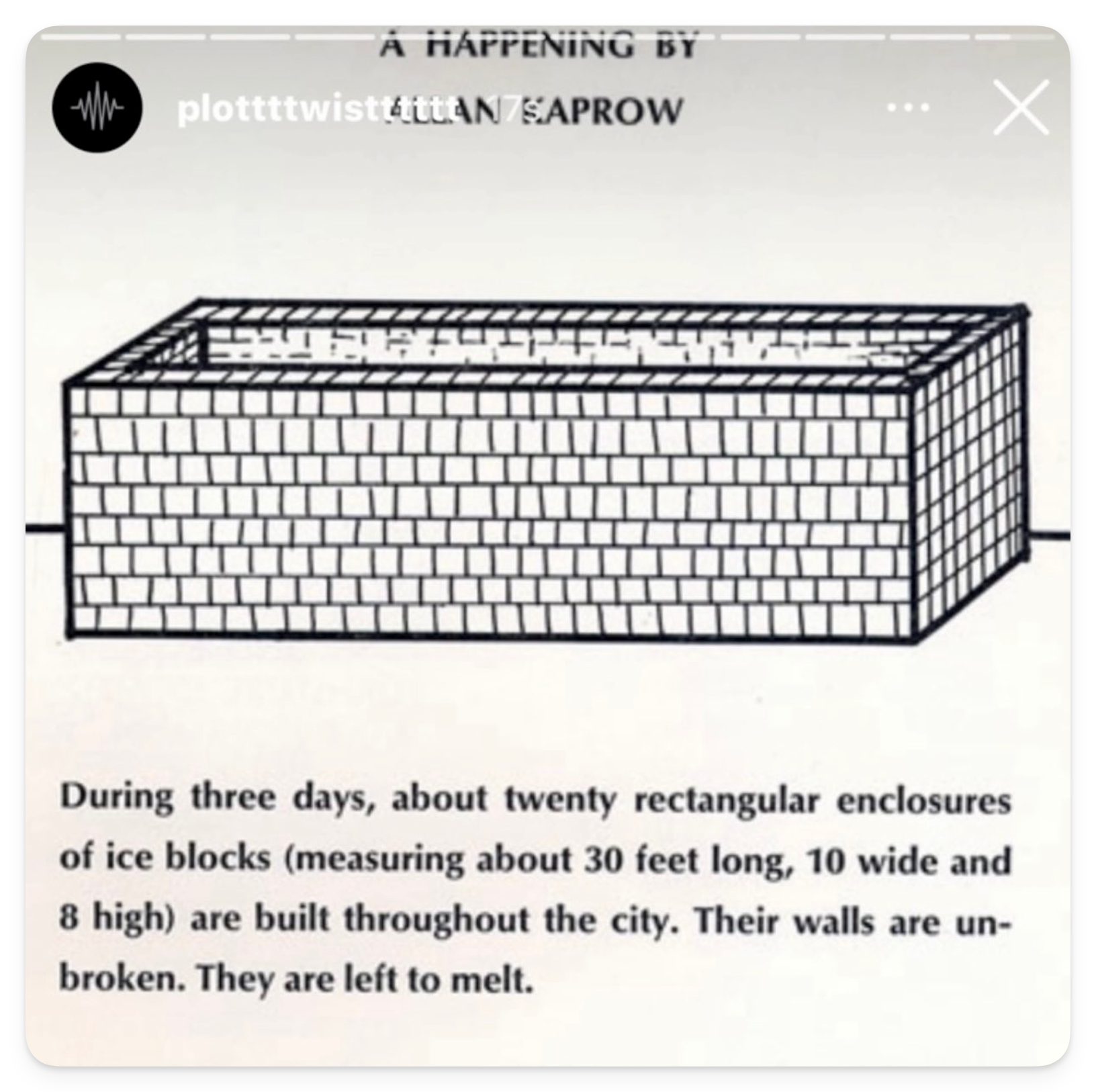
Drake was studying Kaprow’s work and planning something to push the original concept further. The question worth asking is: how do you improve on Fluids? How do you take an ice structure built to simply melt and have it mean more?
Drake hired construction crews from the city to put this together. Obviously, bro’s gonna boost the local economy instead of putting his fans onto manual labor. I’m sure they received a hefty bag for their contribution. And while Drake knew the spectacle he would create and the buzz that would follow, it wasn’t designed for admiration’s sake. Creative direction being overseen by longtime Toronto collaborator Matte Babel tells you everything you need to know about the intentionality behind what you’re looking at.
Kaprow’s central tenet of a Happening was an organic connection between art and its environment. No clear line between object and audience, structure and spectator. It was not to be observed, but to be existed with. The collective whole is the entire point. And his rejection of permanence, both in the material of which he constructed Fluids and how people viewed or engaged with it, was the entire point. It exists in this moment, and then it’s gone.
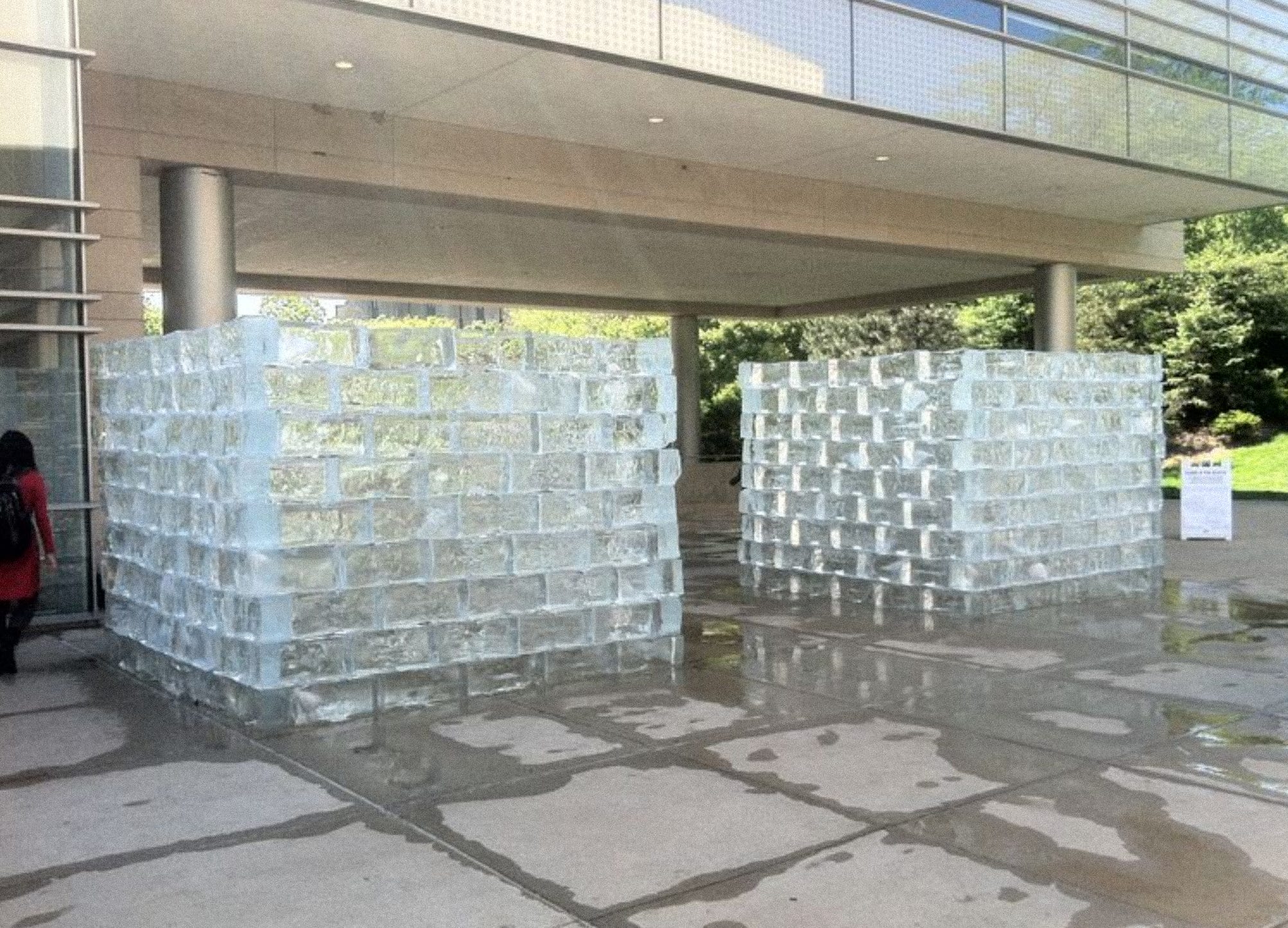
In the rendition created by Drake last week, you see his aim to honor this thesis. He created the conditions for a moment, completely unscripted, and then removed himself. What I appreciate most about this attempt is what didn’t happen next, surprising as it may be for a mainstream artist nearly a year into a major studio album rollout.
Follow me here. This could have been coordinated as an idle livestream. The ice could have been left unobstructed with 24/7 security and red tape. Bro could’ve just made us watch as it gradually fades into a puddle. Maybe Pinocchio gets another cameo, as we’ve seen in previous episodes. Perhaps he creates some visuals coinciding with new sounds from the album, creating a countdown that fixates millions of eyeballs and generates endless discourse. All the while multiplying the hysteria of this long-awaited solo project and lining his pockets. That alone would’ve had media pundits throwing flowers at The Boy’s feet.
He did none of that, and I believe it to be a quintessential move in his plans and his real nod to Kaprow. Bro literally said, “Have at it, kids!” Streamers flooded the scene to check it out. They started climbing this ice fortress and aura farming. It quickly became a real life rage room. Toronto youts pulled up with flamethrowers and sledgehammers. One of the streamers dropped his car keys into a crack at the top, on some finder’s keeper’s. 16 hours later, streamer Kishka discovered the package in a nook at the top of the pyramid. He then brought that package to The Embassy and revealed the release date of Iceman: May 15th. All the while streaming, printing cash, and receiving gifted subs from The Boy.
What was pulled out of that ice wasn’t just a release date. It was a zine, a dense, maximalist visual document of the entire Iceman era. Pop culture references, cinema, OVO iconography, and the word ICEMAN rendered in multiple different typefaces. FRAIM called it “graphic design heaven,” yet some comments called it a corporate picture book. Both reactions are telling. Because the criticism that it feels too produced, too polished to be a genuine zine, misses the point entirely. Know ball. Comb through @plottttwistttttt and see the imagery for yourself. This was clearly never meant to be lo-fi. Kaprow built his ice structures with construction crews, too. Scale and sincerity are not mutually exclusive.
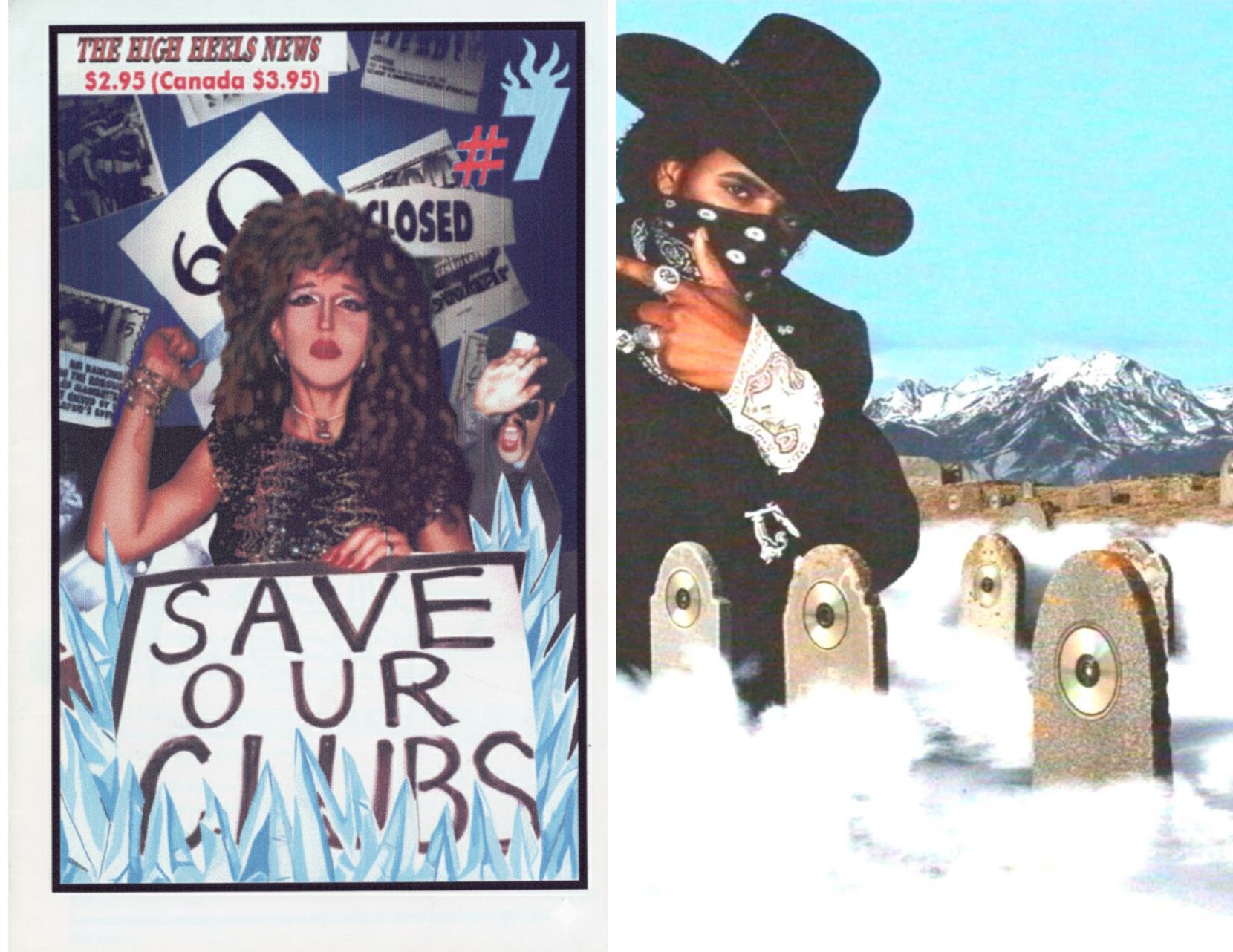
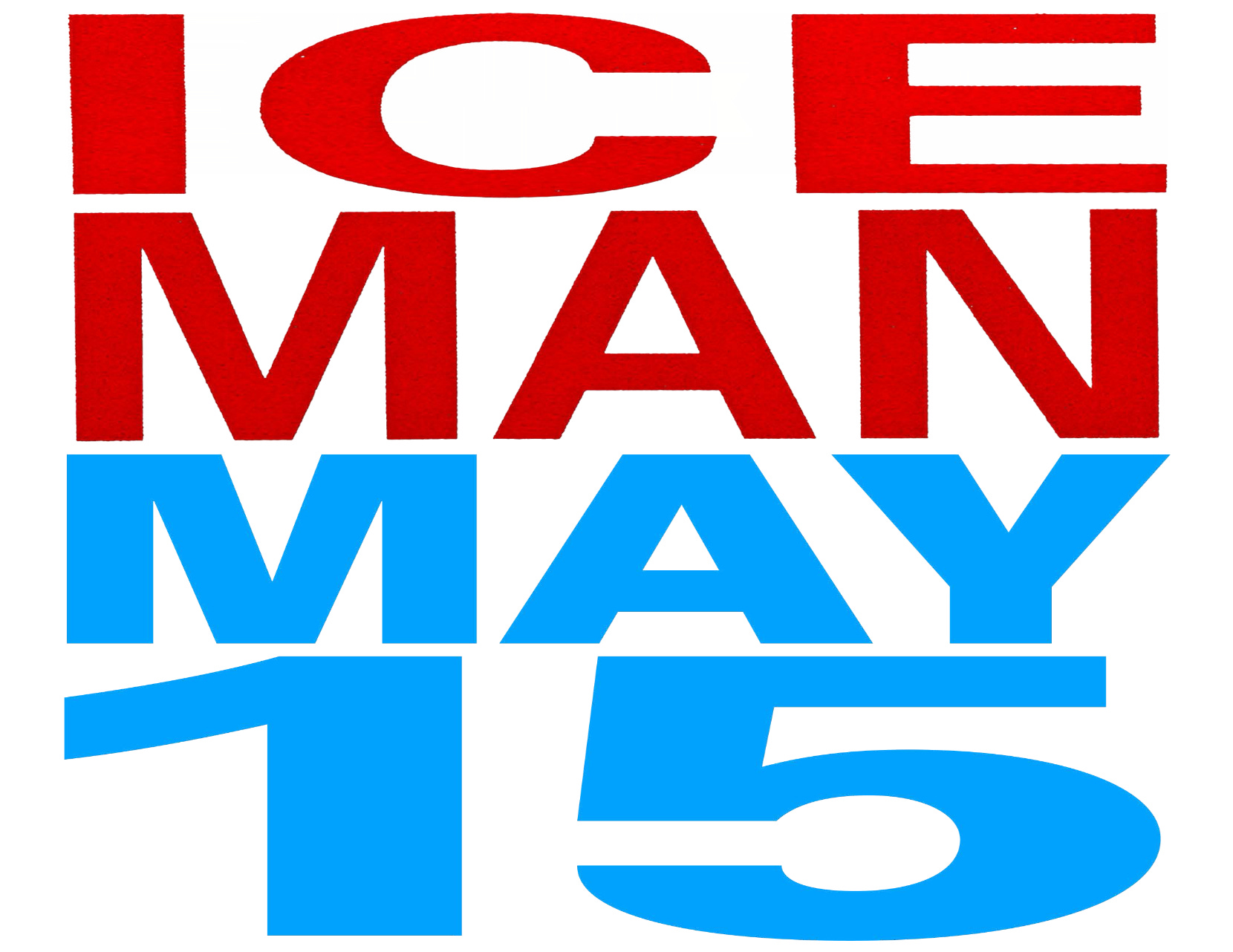
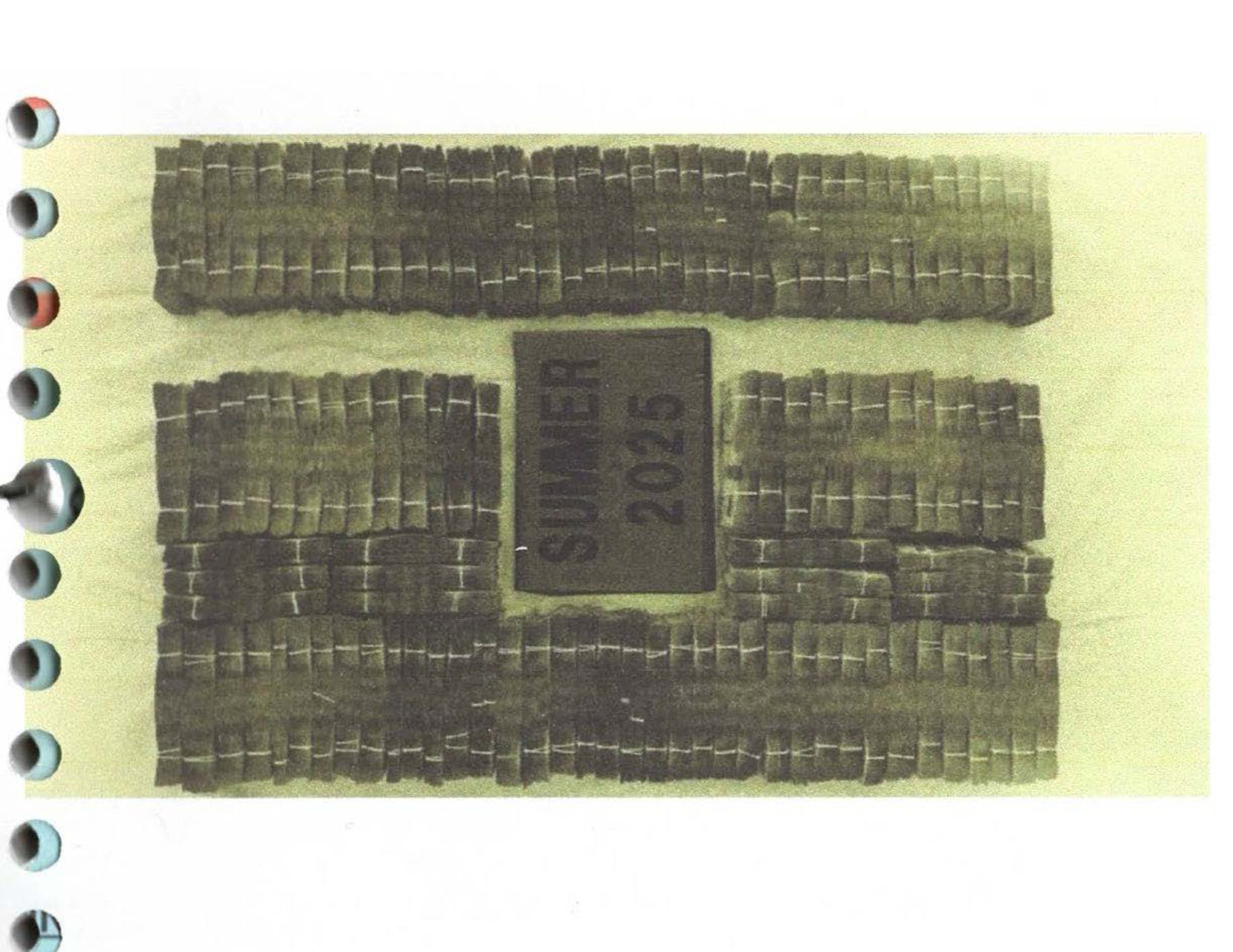
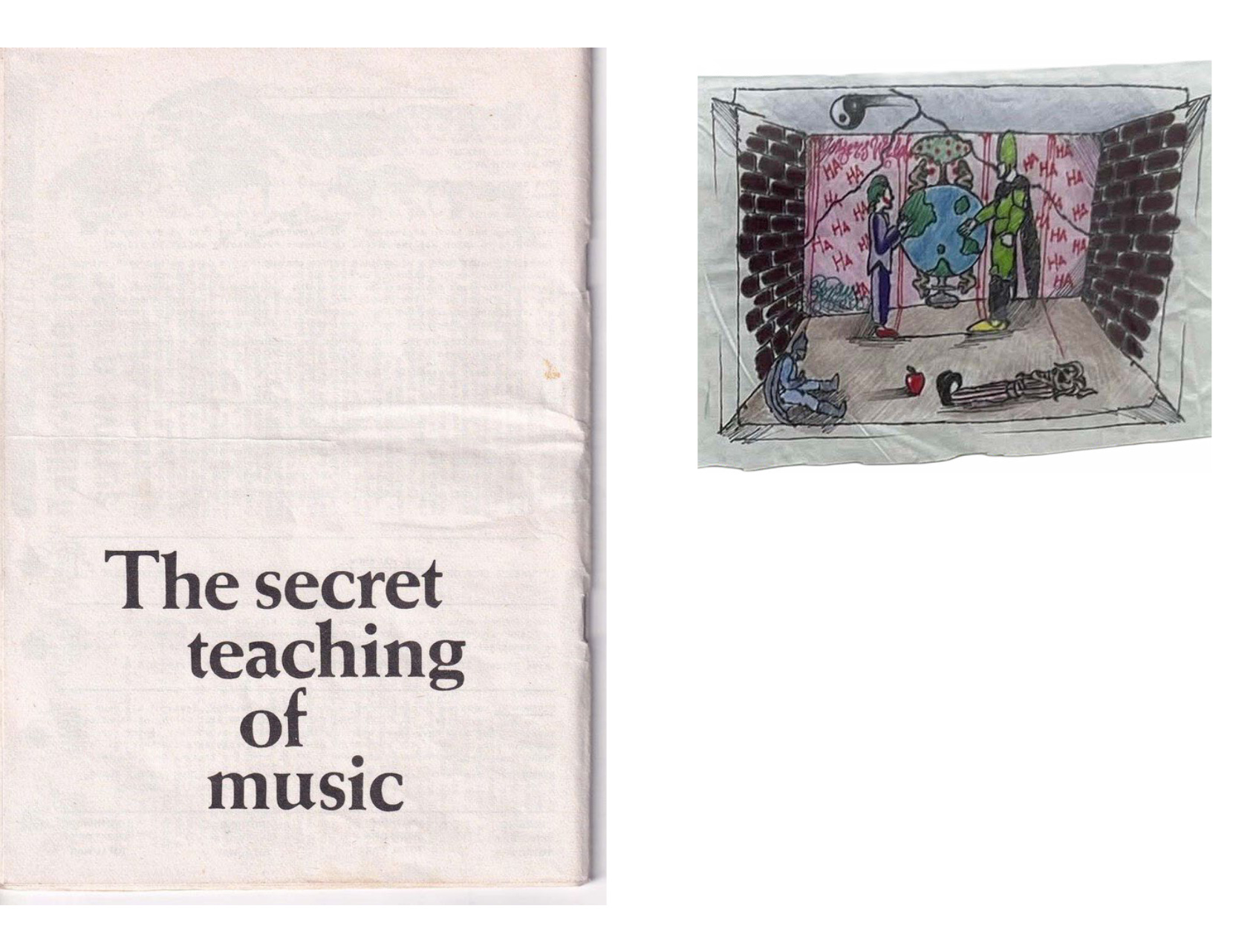
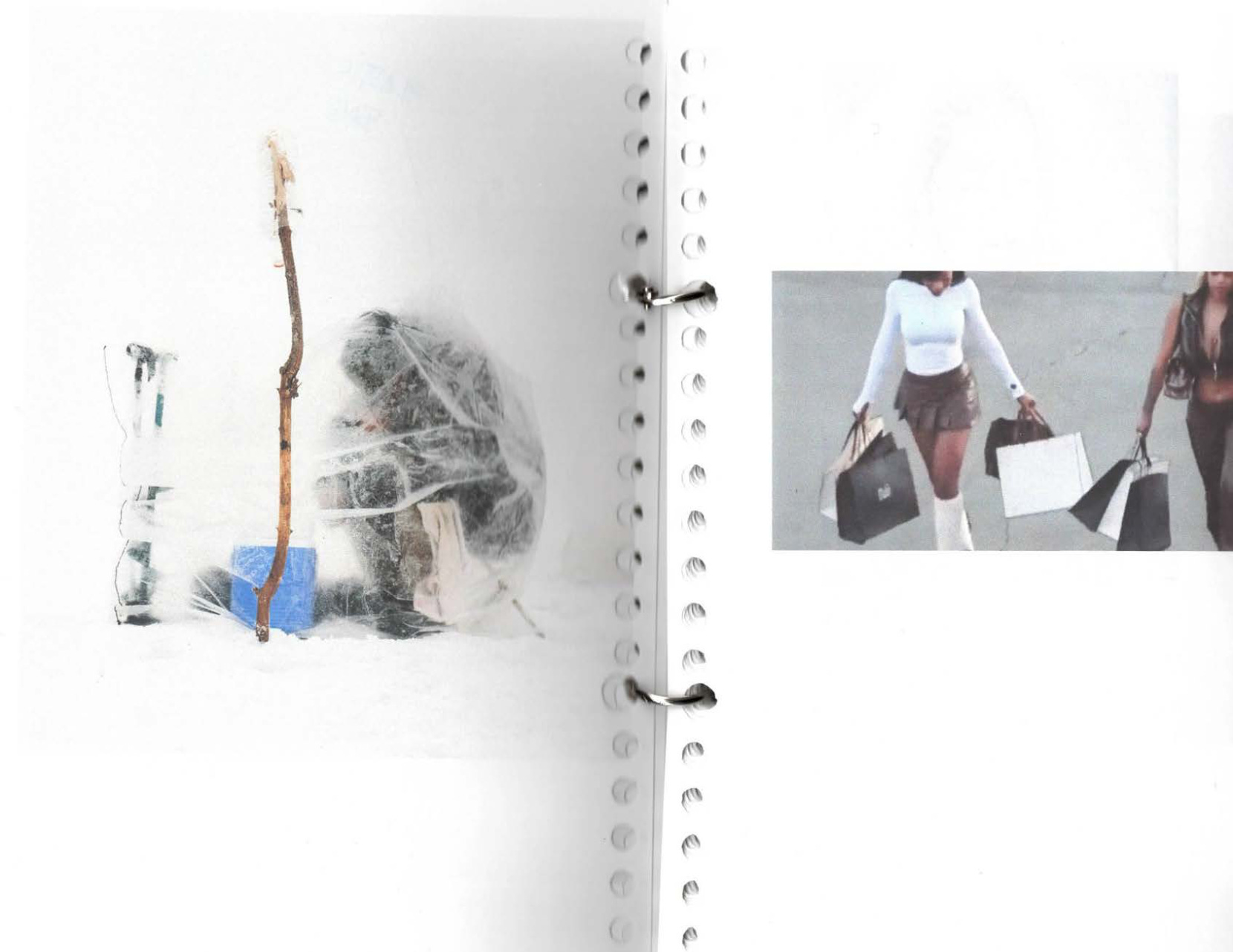
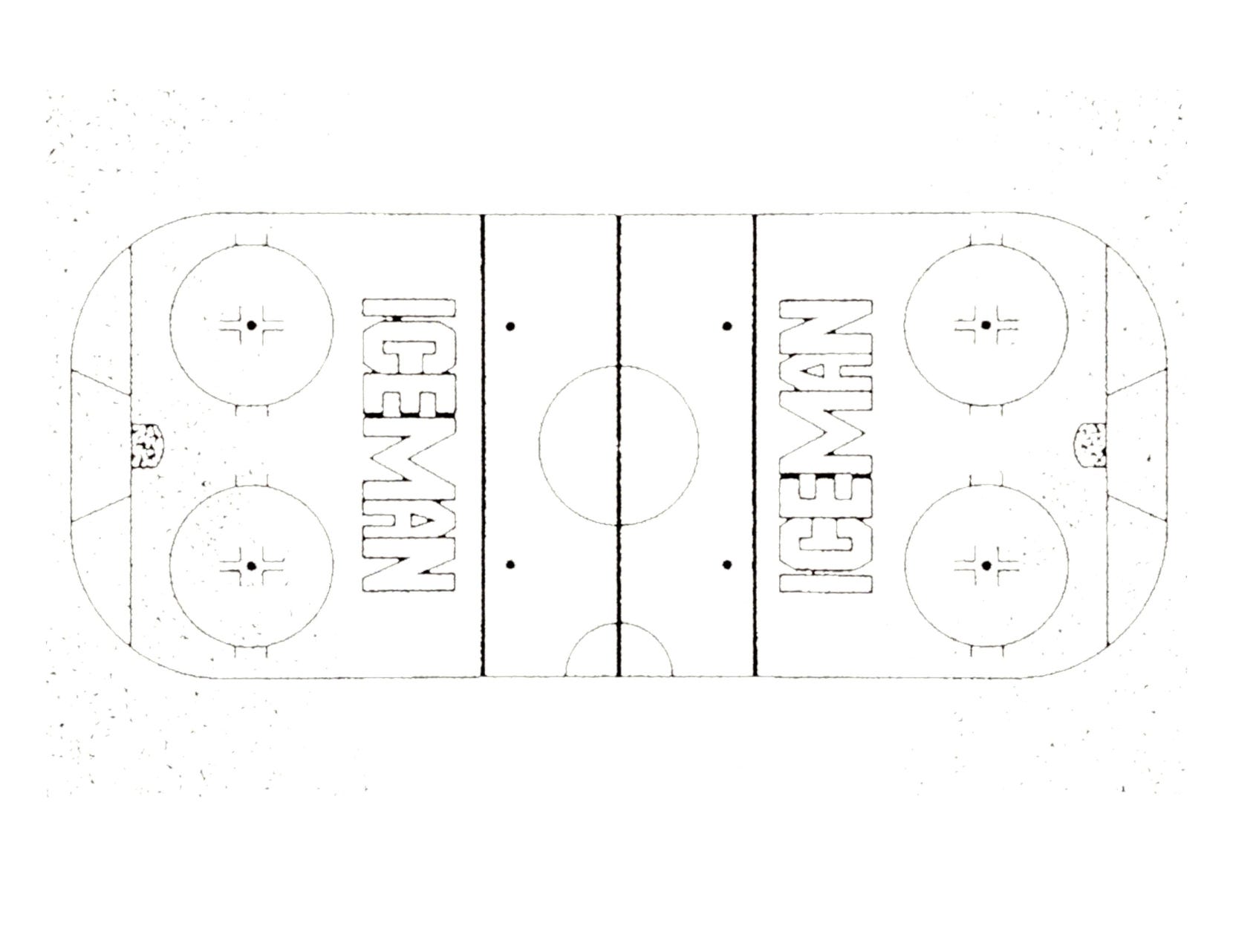
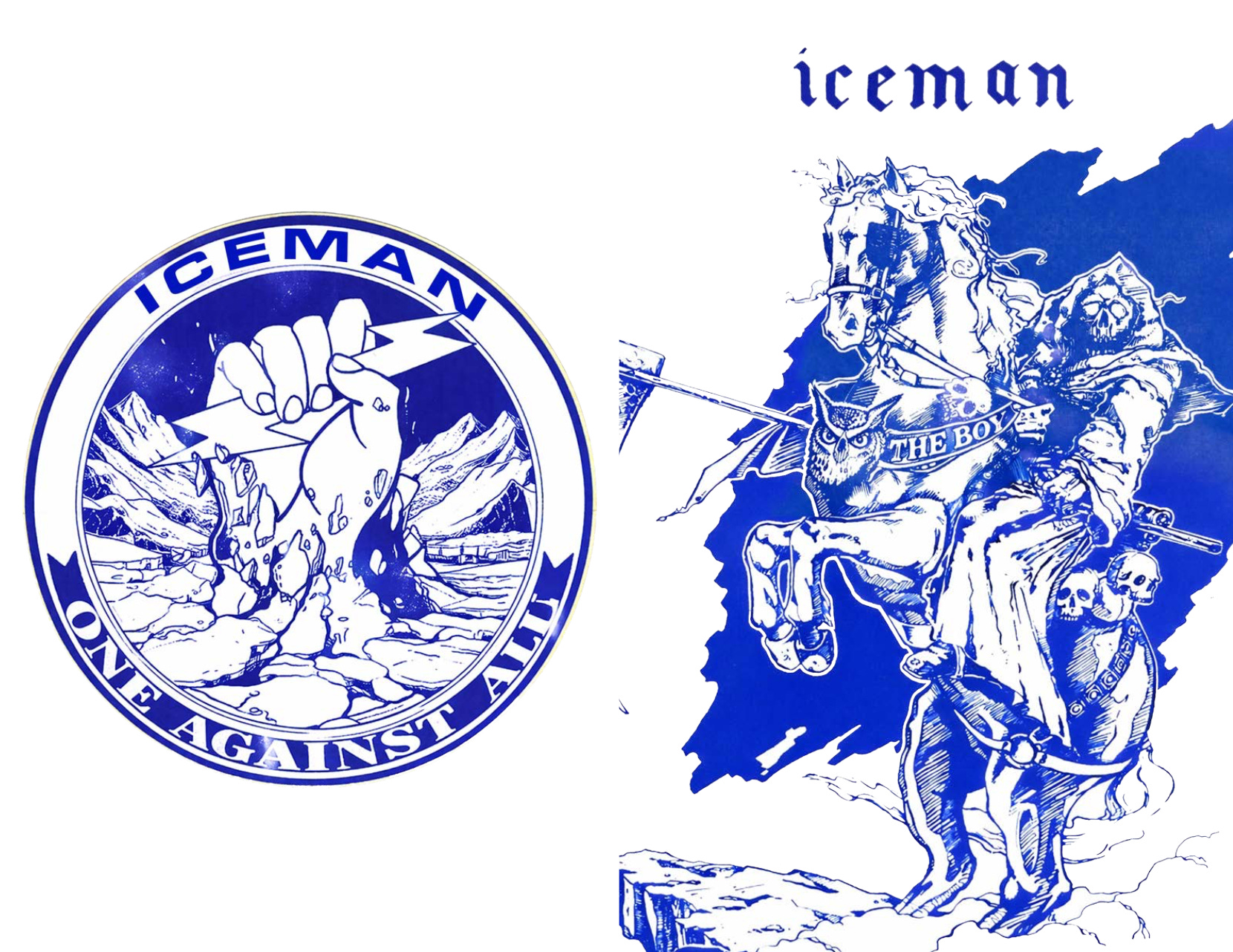
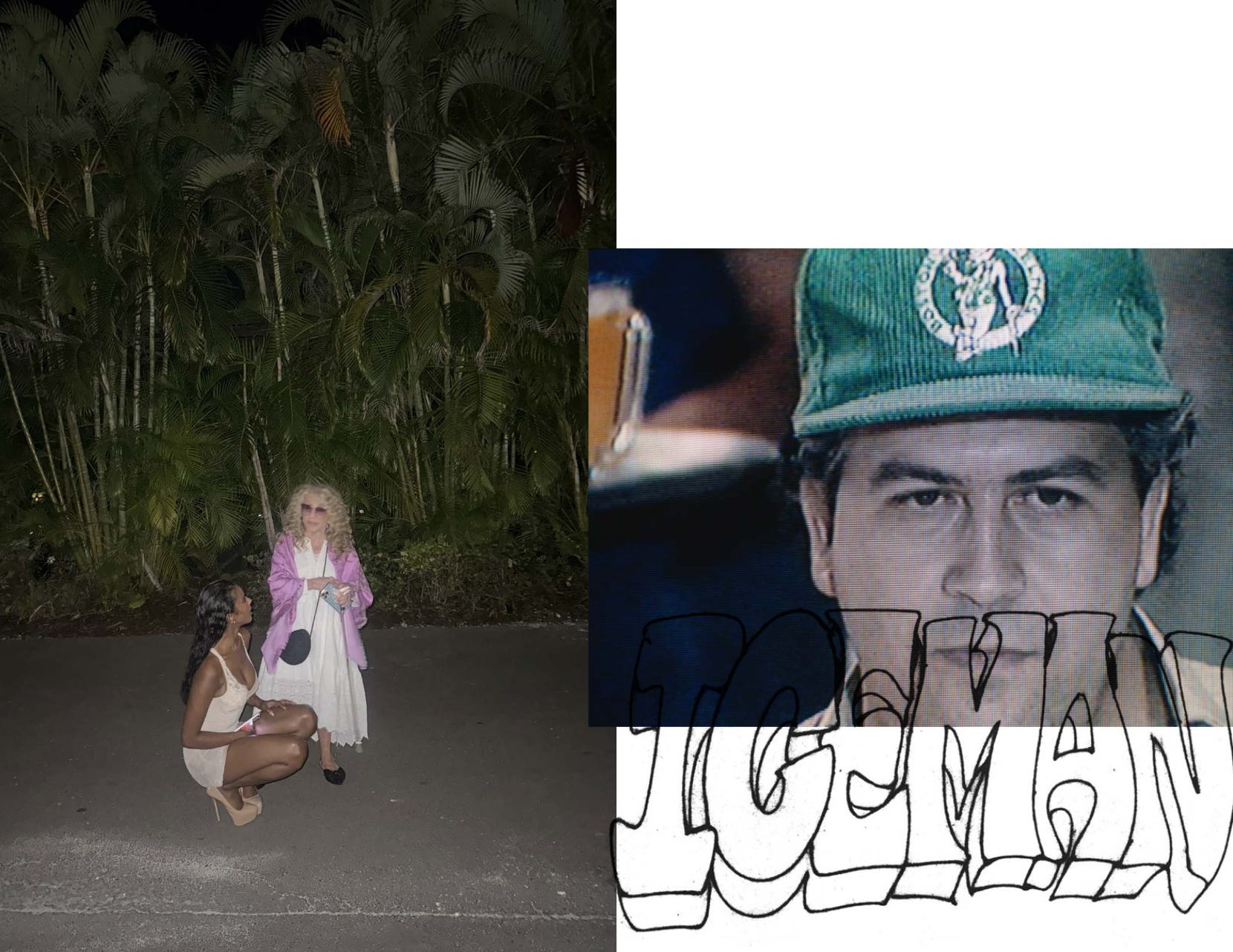
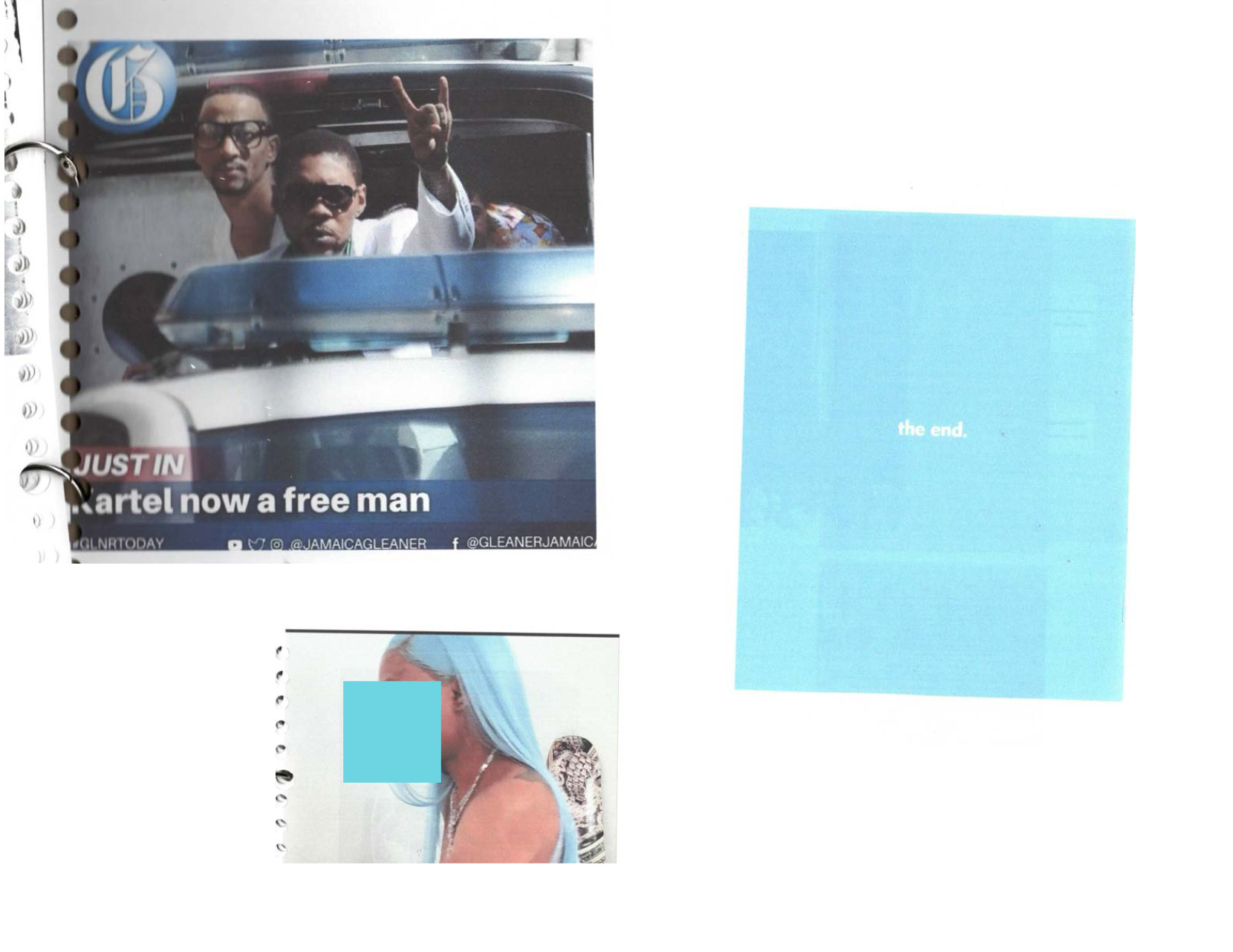

Furthermore, sports franchises, corporate brands, and media accounts started copy-trading the aesthetic. The Los Angeles Chargers posted their own cryptic ice blue typographic slide for promo before draft day, “get more love in the city you from.” The visual language Drake built for this era, around a cold palette, fragmented text, and deliberate ambiguity, has become a template that brands were mimicking within days. I wish my finsta in high school had even a tenth of the aura.
That same ambiguity has media members in a frenzy. Even those who turned on him, quite literally calling him a cancer post-2024, are taking their stab at interpretation and declaring their excitement for the music. This is what a cultural moment looks and feels like. When the NFL is doing Drake impressions to sell football AFTER slotting a Super Bowl performance to metaphorically dance on his “supposed” grave, you know it’s up, and it’s stuck. The art is undeniable.
But back to the sculpture. Drake didn’t just borrow from Kaprow. He took a 60-year-old concept about impermanence and public space, dropped it in the middle of his hometown, and gave it something Kaprow never did: stakes. A secret inside. A reason to act. He turned passive observers into participants, and participation into a cultural moment that the world watched from our phones. And those participants had just as much skin in the game. Drake gave them the stage, and they ran with it. Cameras were rolling, and everyone was eating. Toronto’s own happening.
That’s what makes this special, what makes this transcend performance art. Marketing his album with his fans as opposed to them is the most unguarded we’ve seen an artist be, possibly ever. He handed them the moment and trusted them to run with it. Because those kids out in the cold, taking sledgehammers to blocks of ice like the rent was due, are the ones who have rocked with him on this journey for the last 15 years.
This was the culmination of a rollout that Drake has been engineering, patiently and deliberately, for nearly a year. It began on the 4th of July last year. Not with a press release or a radio single, but with a cryptic “9 PM” teaser that led fans to a livestream. What followed were three cinematic episodes, each one a world-building exercise more than a promotional tool. In Episode 1, Drake drove an Iceman-branded truck through the streets of Toronto, eventually arriving at a warehouse where he watched old videos of himself (Bieber might’ve actually just taken a page from this playbook), and premiered What Did I Miss?, which by the way, was a fun little record that so happens to be the last hip hop song to appear on Billboard’s Top 100. The game is truly in disarray.
Episodes 2 and 3 followed suit, each dropping a new single and a new layer of this Iceman character. Between episodes, the breadcrumbs kept coming. We saw a custom Iceman chain with functioning icebox doors, an OVO x Marvel capsule, his courtside Raptors seats iced out, a notebook posted to Instagram alongside the phrase “Make Them Cry.” All seeming to foreshadow things revealed in the zine and likely the music. Every hint was designed to make you feel like you were piecing something together. Drake, much like myself, has a penchant for mystery, pettiness, and theatrics. But the sculpture was his moment to invite you in.
It would be difficult to find a precedent for this type of rollout, like quite literally the entire architecture of it. The livestreams alone represent a fundamental shift in how an artist can introduce music to the world. Nobody has ever used the format this way as the primary vehicle.
But that got me thinking. Frank Ocean once live streamed himself building a staircase in a woodshop for days ahead of Endless. If you didn’t know the story behind it, you might have just thought it was a beautiful, strange piece of ambient art. But it was chess. Frank owed Def Jam one more album under a contract he’d been trying to escape for years. A deal that entitled them to a major slice of whatever he delivered. So he gave them Endless. It was abstract, difficult to sell, and deliberately unclassifiable. Nonetheless, it fulfilled his obligation, and he dropped Blonde independently twenty-four hours later on his own label Boys Don’t Cry, keeping 70% of revenues and his masters. He described the seven-year negotiation as a “chess game.” The label was left holding a visual album that wasn’t for sale, while the most anticipated R&B record in a decade went to number one without them. It was art as litigation.
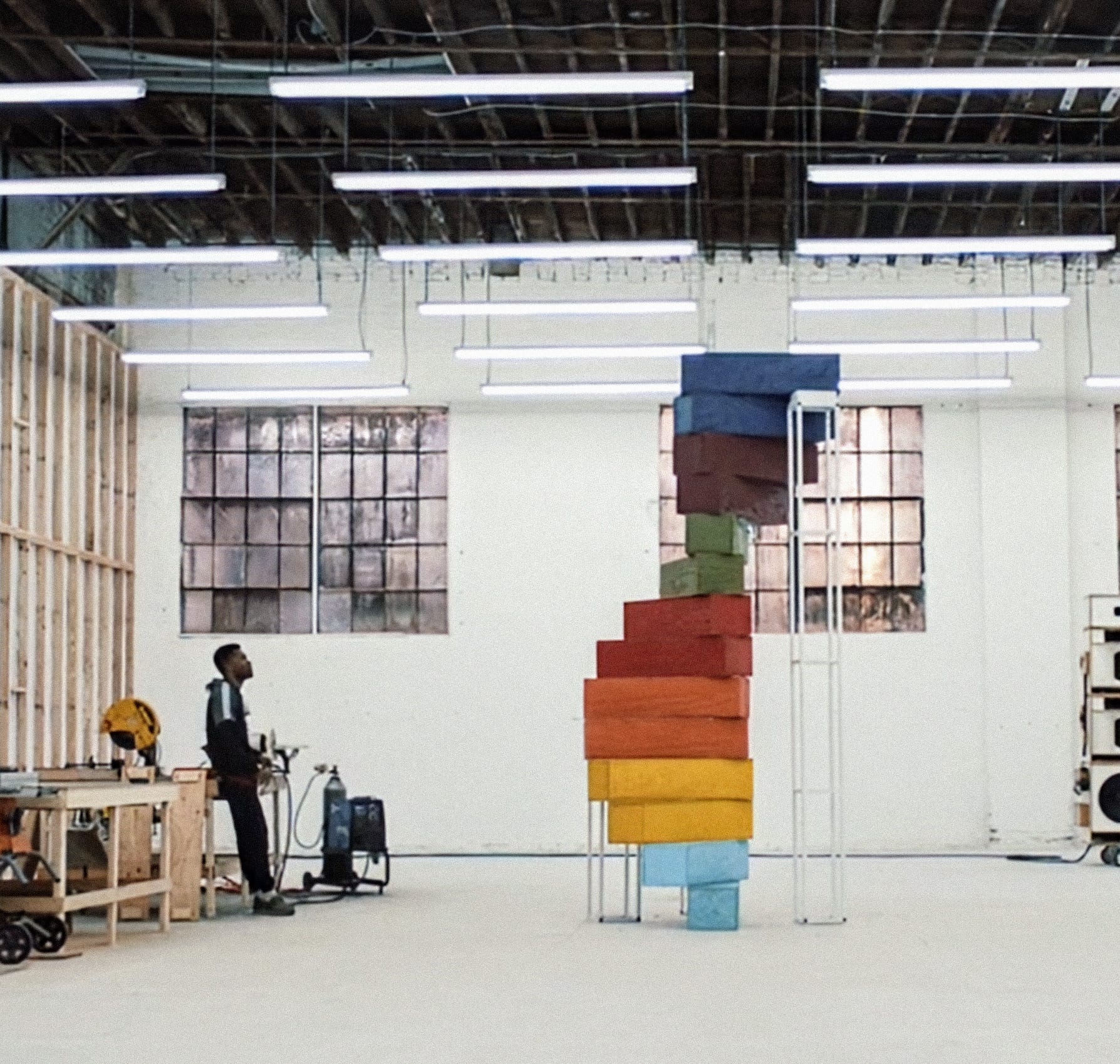
The parallel gets more intriguing when you consider what Drake is navigating right now. Frank’s battle with Def Jam ended with him walking out the door free, independent, and masters in hand. Drake’s chess game is happening in real time. He is currently in active litigation against UMG, his own label, alleging they ran a coordinated campaign to defame him using Kendrick as the instrument. A lawsuit filed, dismissed, and now on appeal at the Second Circuit. His attorneys filed their final reply brief on April 17th. Four days later, he put this 25-foot block of ice in a Toronto parking lot. He’s releasing this project through the very label he is suing. Frank said I don’t need you by leaving. Drake is saying I don’t need you by staying, winning anyway, and making you watch. Both show us that the art will always speak for itself. Both seemingly onto greener pastures.
Compare this to what the rest of the industry is doing right now. Take Yeat’s lead single for ADL, Made It On Our Own filmed inside Drake’s Toronto mansion, engineered to make the internet ask a question that the music itself couldn’t answer. The implied co-sign did the heavy lifting. The song had a moment, the album had no legs, and outside of that initial speculation cycle, you don’t hear it anywhere. Drake wasn’t even on the project. His rollout collateral being influenced by The Sopranos was a nice touch, but where did it stick? I love Yeat’s sound, but it’s far from mafioso music.
Or take Jack Harlow’s Monica rollout. An artist who so visibly wanted to be received differently that he announced the reinvention on podcasts before the music could speak for itself. He told interviewers he got blacker (which was obviously hyperbolic not literal). But the criticism wasn’t just about the sound, it was about the effort being visible. Going in the complete opposite direction of what landed him on the map. If that’s what made bro happy, I’m all for it, but to pre-frame how it should be received is rarely going to work, especially when the sound doesn’t ring any bells.
Both rollouts share the same fundamental flaw. They were built on association and aspiration rather than something real. Borrowed credibility, manufactured adjacency, and aesthetic proximity to a culture neither artist fully inhabited. Drake’s ice structure really is the antithesis here.
He took a concept and made it a series, a narrative, a world. Each episode rewards the fans who showed up in real time. He made listening feel alive again. He made anticipation feel like participation. And in doing so, he’s handed a blueprint to every artist who comes after him.
This is what Drake has always done. “I just set the bar, ****** fall under it like a limbo.” Long before it was fashionable, he was charting his own path and building a fanbase through emotional honesty when vulnerability wasn’t considered strength. And we obviously know he took his lumps for it. Wound up turning Toronto into a global cultural capital when nobody was looking in that direction. Every time he moved, doors opened. Not just for himself but for an entire generation of artists and creatives who found permission in what he was willing to try first. Every pond he jumps into winds up flourishing. The Iceman rollout is the latest and perhaps most ambitious extension of that instinct. The way we receive music will not look the same after this, and we should be nothing but optimistic as a result.
You can’t manufacture legacy. Or shall I say “you can’t fake influence.” In a world where marketing and perception often supersedes quality, Drake consistently delivered on both. He’s still the most streamed artist on the planet. Iceman is probably gonna move 500,000 units in the first week. But here’s the thing about music. It’s the most honest transaction there is. Nobody tells you what to put in your headphones when you’re alone. Nobody tells you what to play in the car when nobody’s watching. And for fifteen years, in those private moments, it’s clear who the people have chosen.
As it relates to contemporary art, at its best, it doesn’t ask for your permission or your understanding. It doesn’t hang in a gallery waiting to be validated by someone with a degree.
And that brings us back to 81 Bond Street. Back to the ice. Back to a 25-foot structure in a downtown Toronto parking lot that stopped a city in its tracks and reminded the world exactly who Drake is. Because this is what he does. Death, taxes, Drizzy delivers. Your favorite artist’s favorite artist. Your wife’s #1 wrapped artist since high school. He’s somehow had a stronger handle on the cultural zeitgeist than any creative in the 21st century. He evolves. And in evolving, he pulls the entire culture forward with him.
Allan Kaprow said it best — “there isn’t an original or permanent work. Rather, there is an idea to do something and a physical trace of that idea. Its reinventions further multiply its meanings.”

The industry is switching up and finally recognizing Drake's importance. Love the way you broke down the history behind the promo. I can't wait for Iceman!
-paid for by drake