



Concert photography has lost its flair. It is not what it used to be. It once possessed the capacity to catch your attention; it wasn’t because you were there at the show, or because you had a deep affection for the artist on stage, but because the image itself achieved something profound. The lighting was perfect, the composition was clean, and the creative decisions enhanced the photo. When I saw the work of the veterans in this field, I felt inspired to pick up a camera and go shoot again. That is something I rarely experience nowadays. Most concert photography looks the same; I can’t tell who shot it, everyone edits the same way. Few retain that technical and compositional edge.
Live music photography has improved in numerous ways, becoming far more inclusive, accessible, and liberated from the traditional gatekeepers. However, sometime over the past fifteen years, the typical concert image shifted from a thoughtful craft into a manufactured commodity. Fast food. Repetitive and formulaic.
Defining Past Standards
Deriving from a 2005 sneaker blog’s term for status-chasing consumers, the “Hypebeast Era” defined the 2016–2019 cultural zenith when streetwear, hip-hop, and internet culture seamlessly fused, forcing mainstream media and luxury fashion to follow their lead.
During its peak, I studied the work of photographers such as Gunner Stahl. Since he shot on film, his images possessed a distinct clarity; every choice of film stock for various environments was entirely carefully considered and intentional. Operating with a finite number of frames to capture a fleeting moment, his execution had to be precise and perfectly timed. The composition was never a lucky byproduct of rapid burst-mode shooting; you could perceive a conscious choice guiding the crop, the subject’s exact placement, and what was intentionally left outside the frame. Those photographs extended far beyond documentation, creating an aesthetic completely independent of the artist.
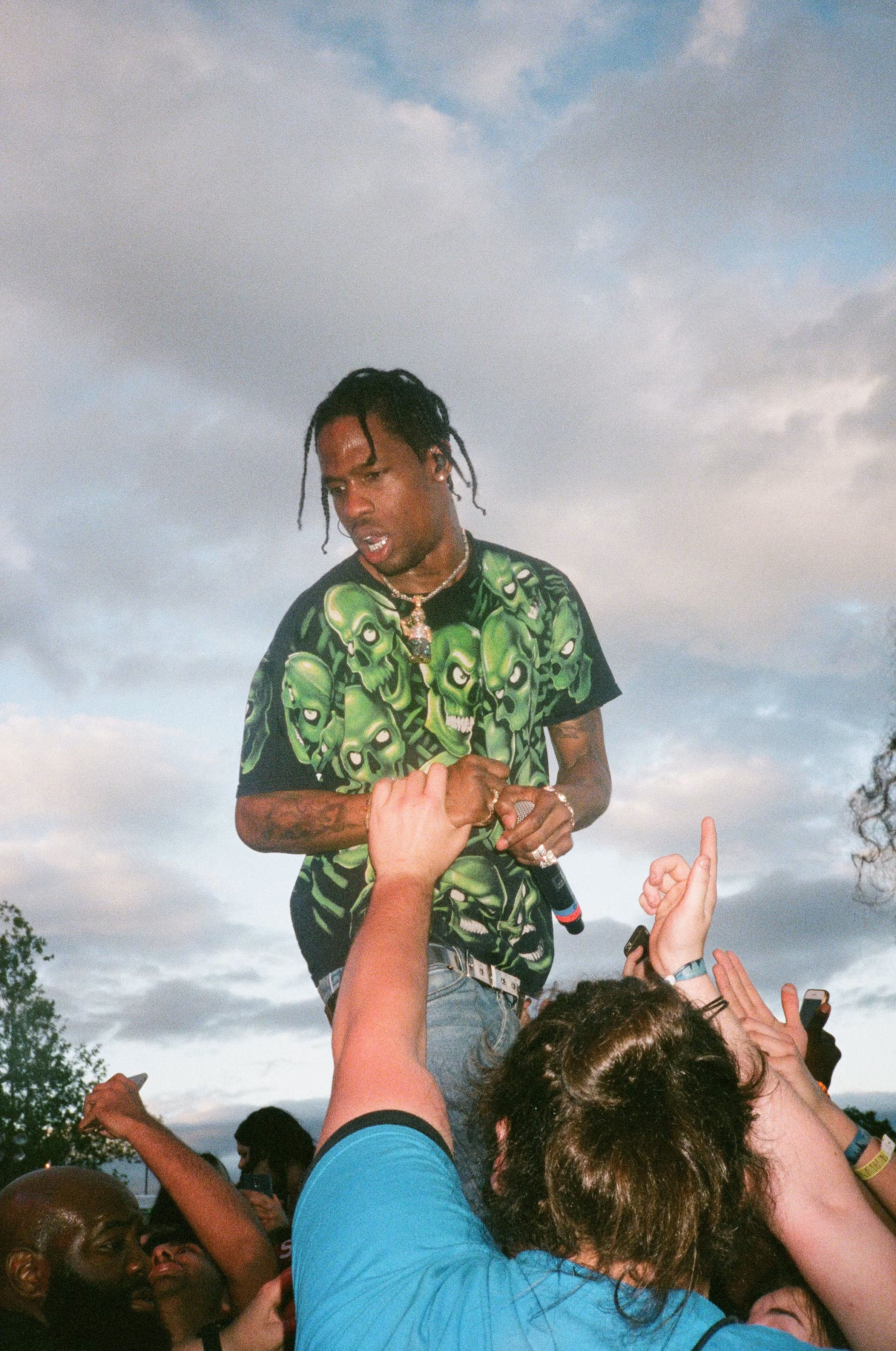
That is the nuance easily obscured by nostalgia: it never depended on premium gear or backstage access. It was entirely about technical and artistic knowledge. Understanding how your aperture setting altered the background. Realizing that a portrait of a musician is fundamentally the capture of a precise moment, and that the vast majority of moments aren’t worth preserving. Discerning exactly when to refrain from pressing the shutter, and not spamming it. Cultivating that wisdom required a significant investment of time and taste, and that requirement served as the ultimate barrier to entry.
Another good example is Jim Marshall. He was the photographer when Johnny Cash flicked off the camera at San Quentin State Prison. He was backstage with Jimi Hendrix and Janis Joplin. He toured with the Rolling Stones and photographed the Beatles’ final paid concert.
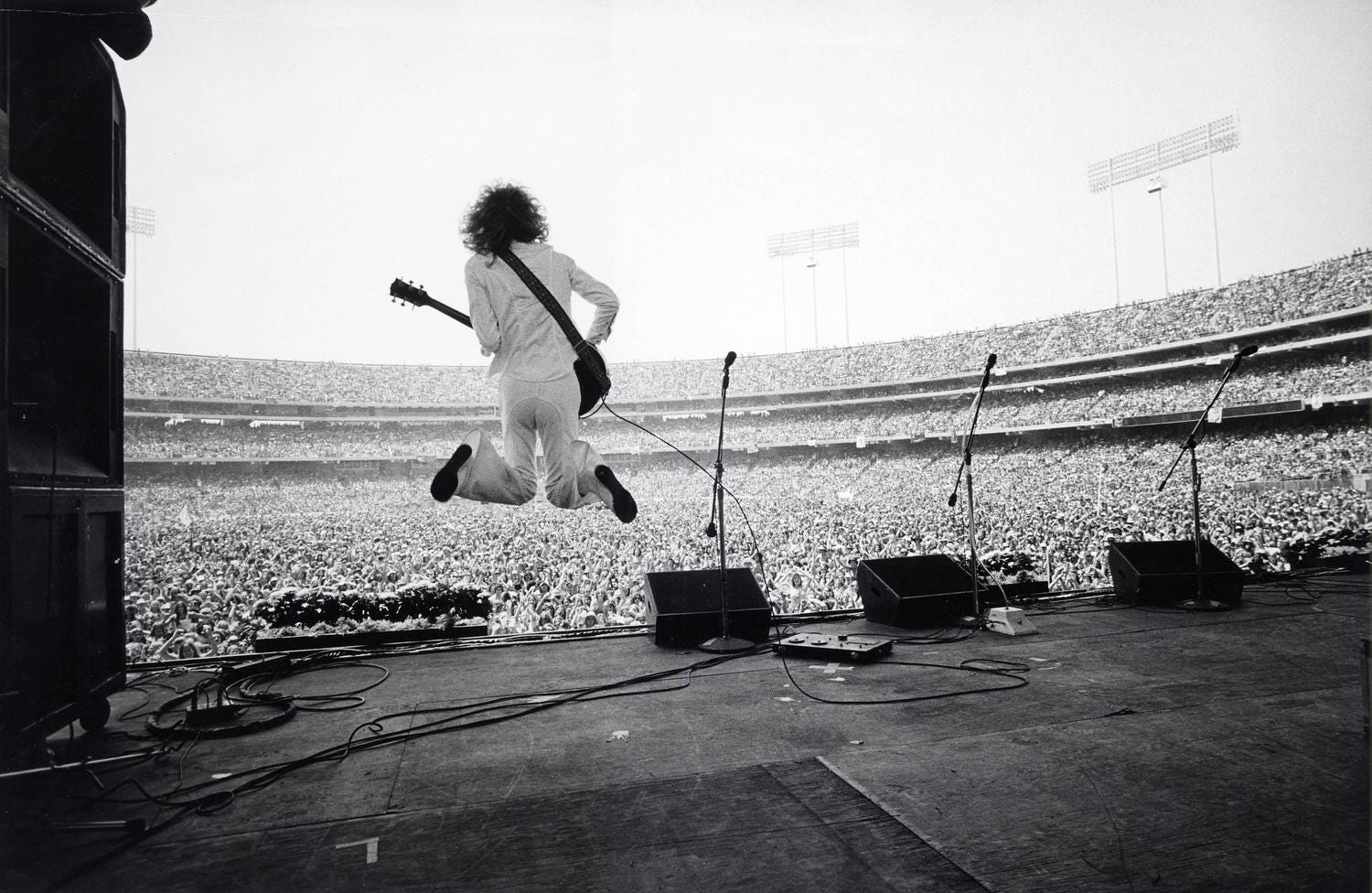
The legendary rock photographer shot this unforgettable image, which was later featured on the cover of his book Show Me The Picture. “I see that photo everywhere now. I just wish I had my legs a little straighter from my gymnastics,” Frampton says in the book. “It was a 3.1 jump. It wasn’t a (Pete) Townshend jump, do you know what I mean? Can we redo that?”
Take Radiohead bassist Colin Greenwood as another example. He has captured intimate, behind-the-scenes photographs of his bandmates spanning two decades. Shot mainly with a Yashica T4 Super, his book How to Disappear: A Portrait of Radiohead, contains hundreds of candid moments of the band rehearsing, recording, and touring.
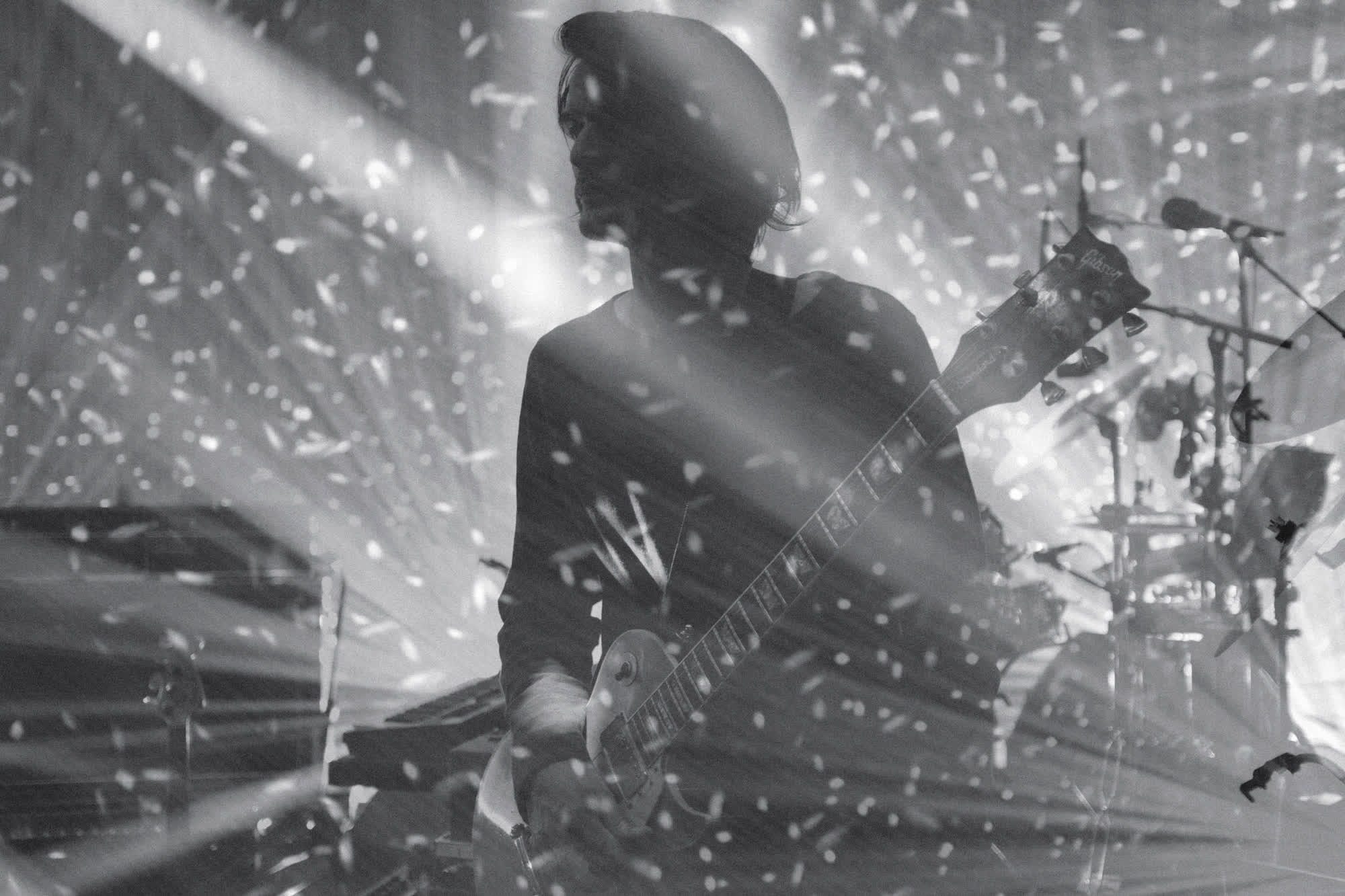
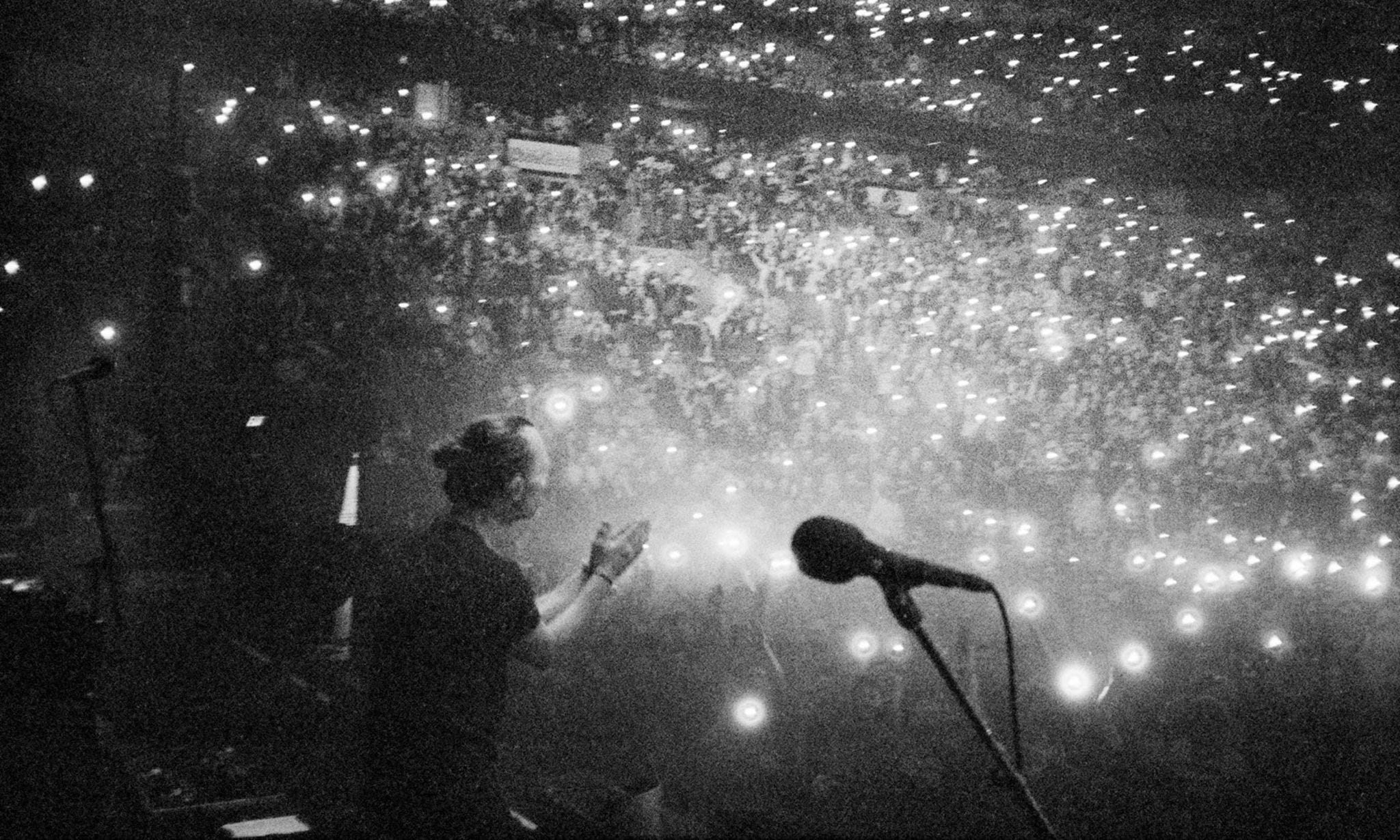
The photobook captures the reality of life inside the influential rock band, alternating between black-and-white candid shots and occasional color images.
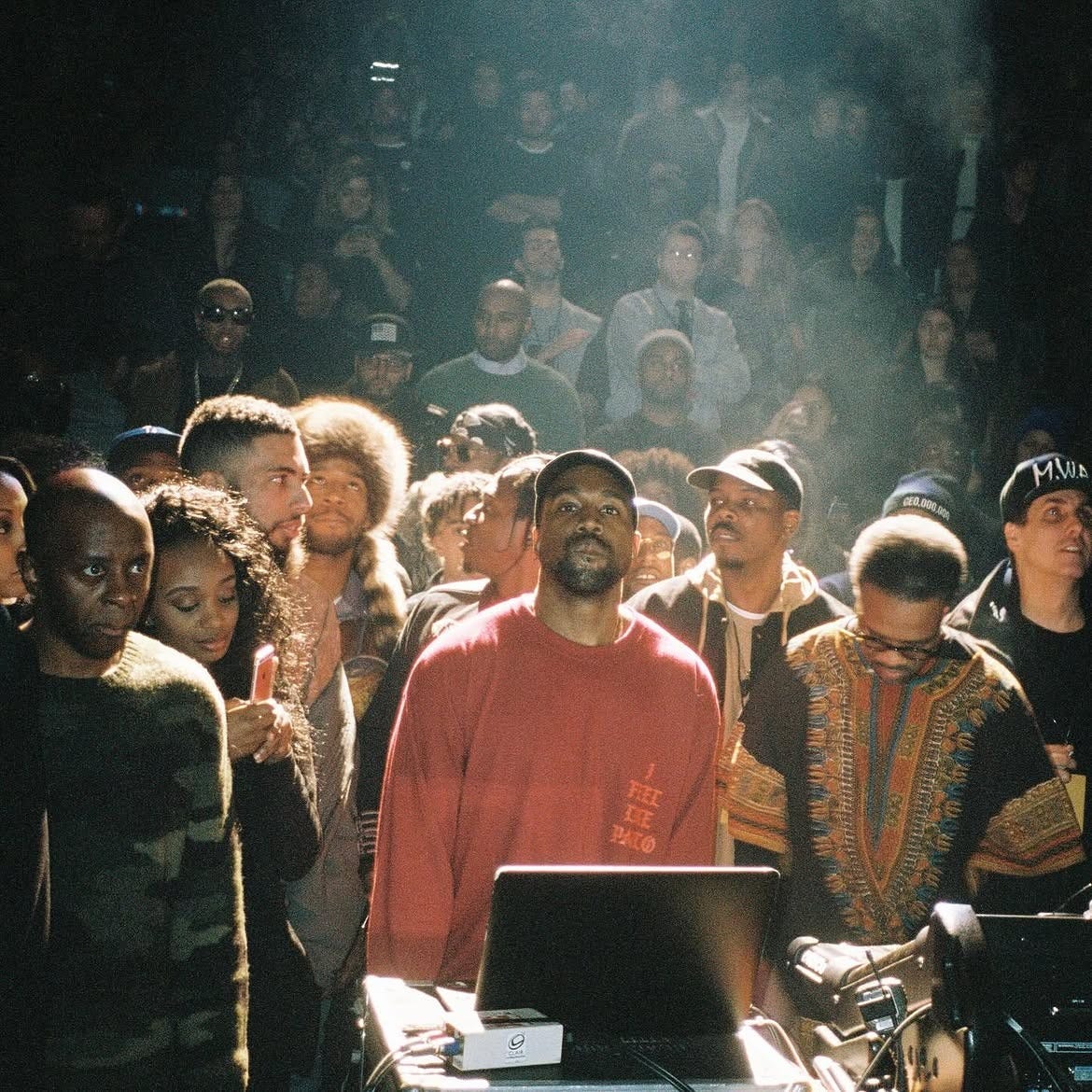
Or even Cary Fagan’s photos from The Life of Pablo Listening Party at Madison Square Garden for Yeezy Season 3 in 2016.
Compositionally Inclined is a reader-supported publication. To receive new posts and support the operation, consider becoming a free or paid subscriber.
My Perspective
My background in photography comes from capturing urban architecture. It is fundamentally different from concert photography because the environment's absolute stillness leaves you with no excuses for a bad frame. When your subject holds still, you have no excuses left. Every failure of composition is yours.
Years of shooting like that trained my eye to prioritize composition above everything else. This background is why I judge concert photography primarily on composition, because I believe it is unforgivable.
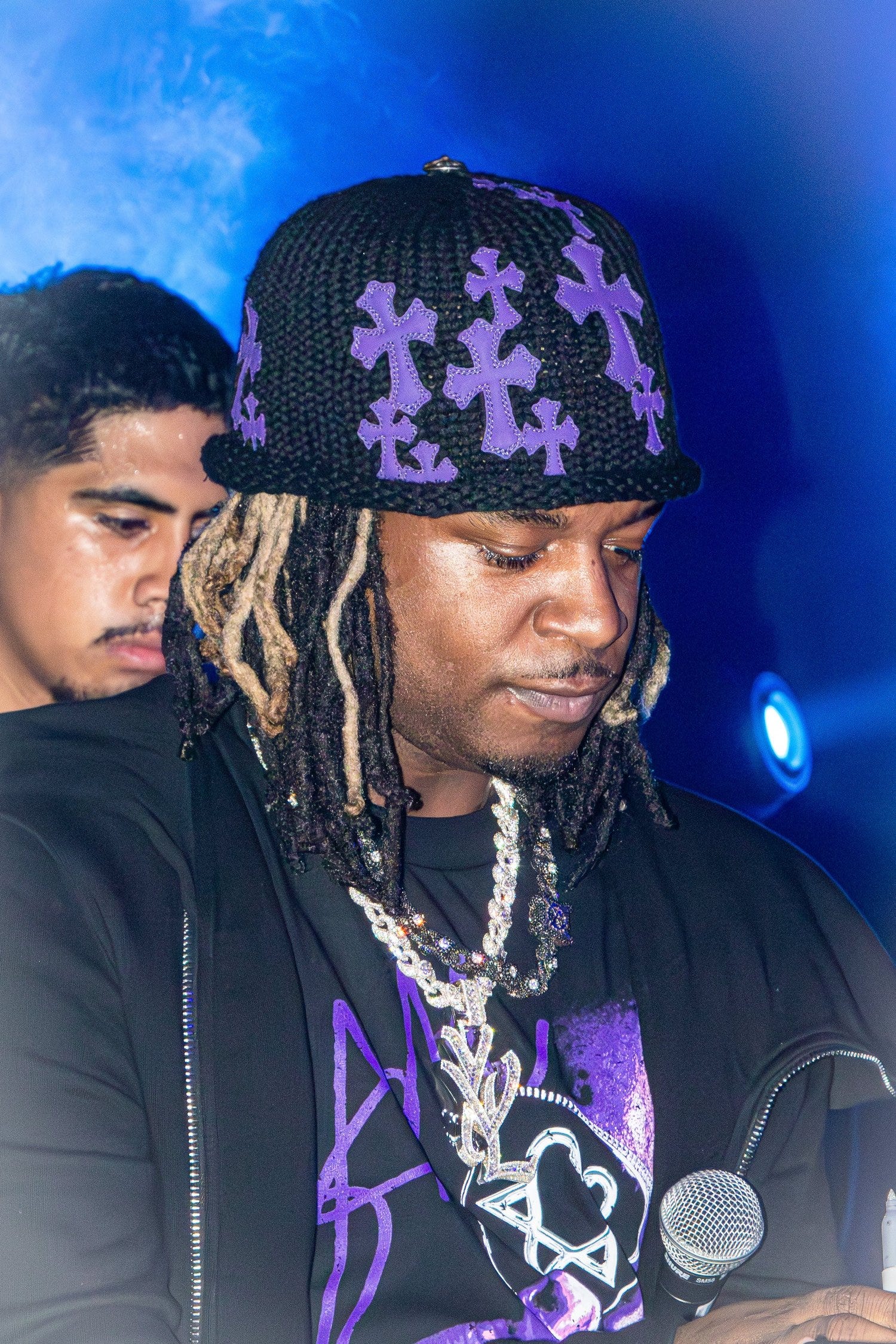
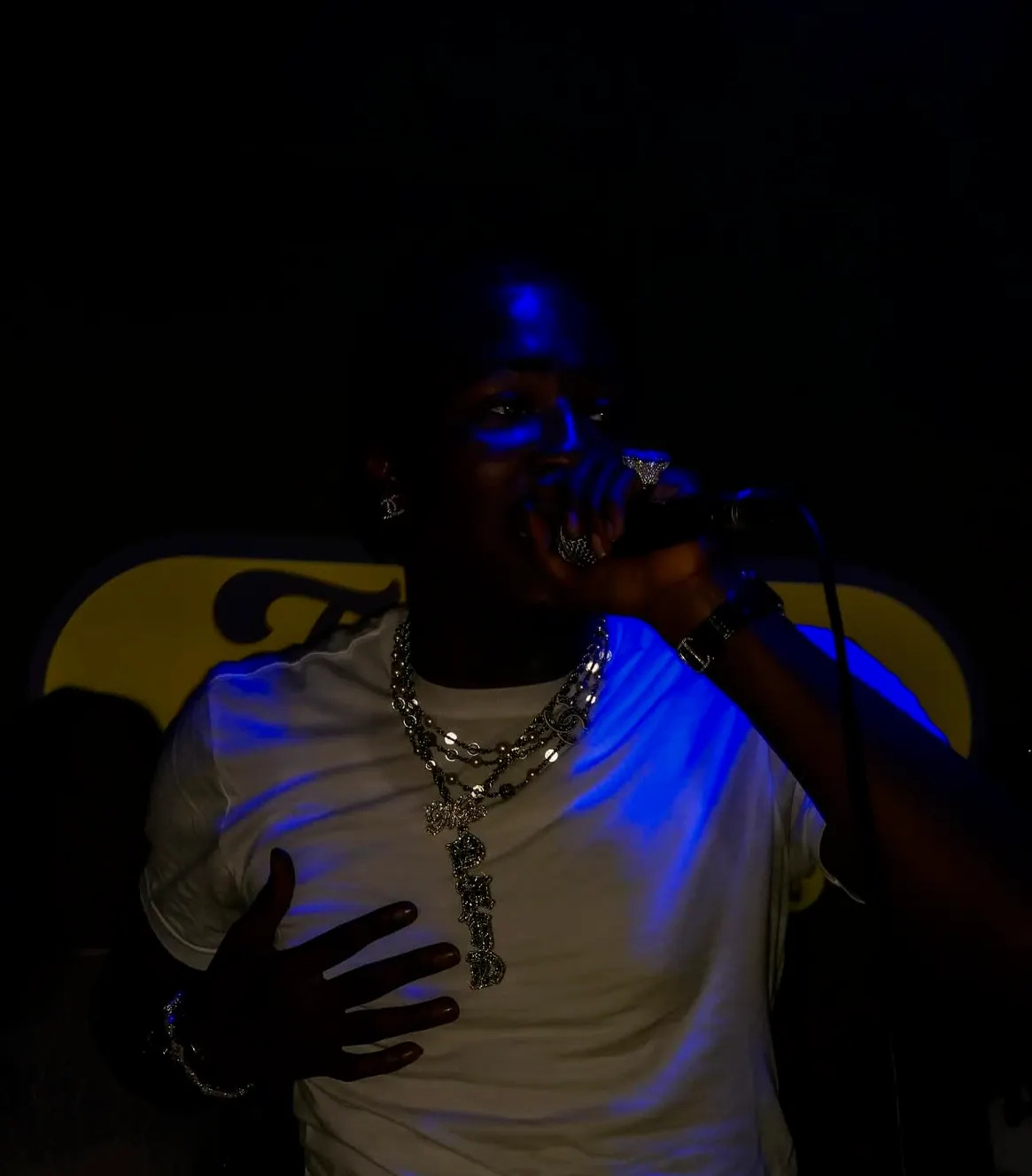
Today’s concert photography has devolved into an exercise in paparazzi culture. The focus has shifted from documenting the atmosphere of a live show to simply taking a picture of the artist just to say you did. These two examples illustrate the issue perfectly. Both photos are obsessed with being close to the subject, entirely ignoring the context of the concert itself. Crop out the face, and you are left with a void: no crowd, no lighting, no environment. It’s a trophy shot, not a photograph. When platforms began rewarding the face-forward thumbnail over images that actually feel like the night, the pursuit of engagement drove the art form straight into the ground.
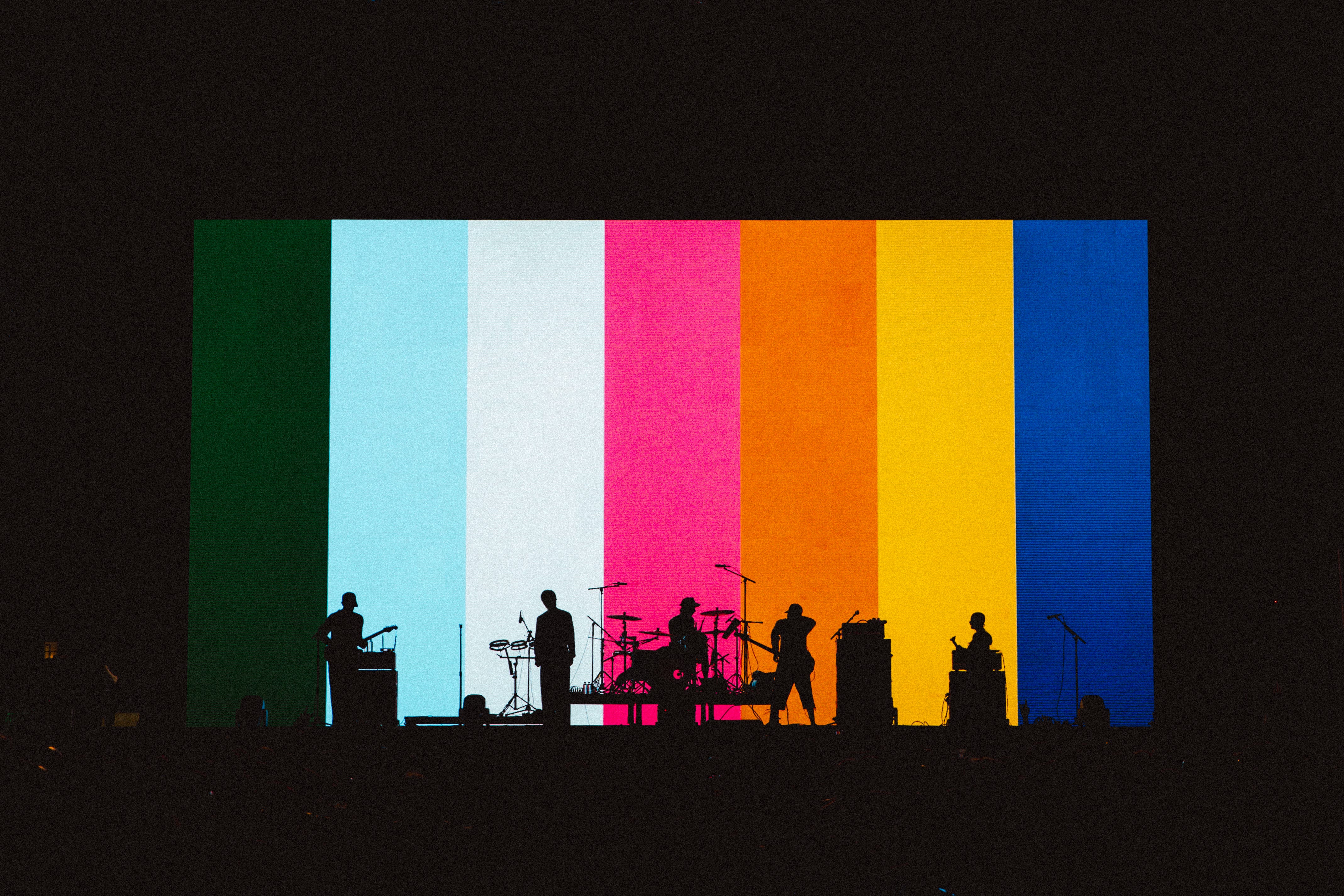
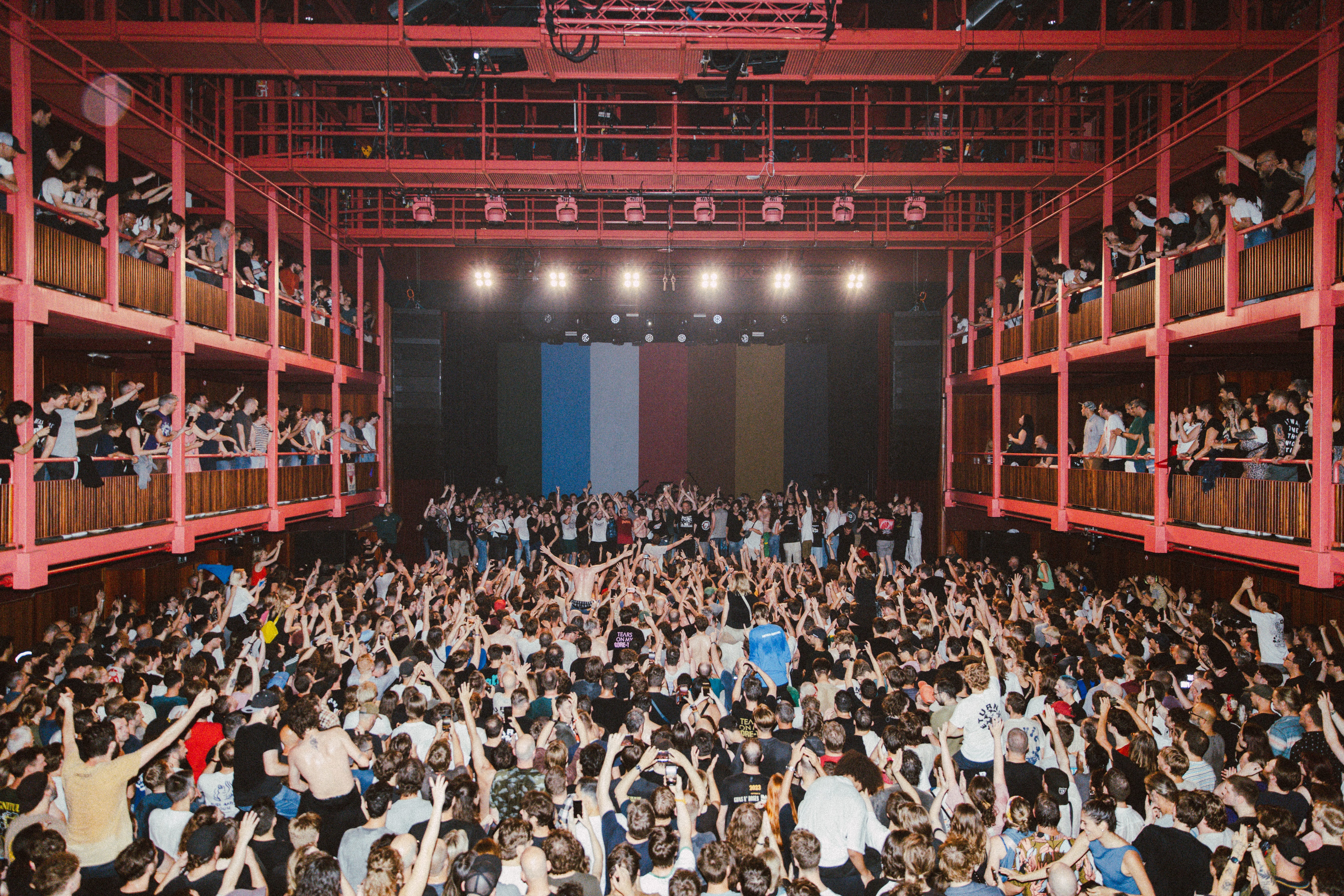
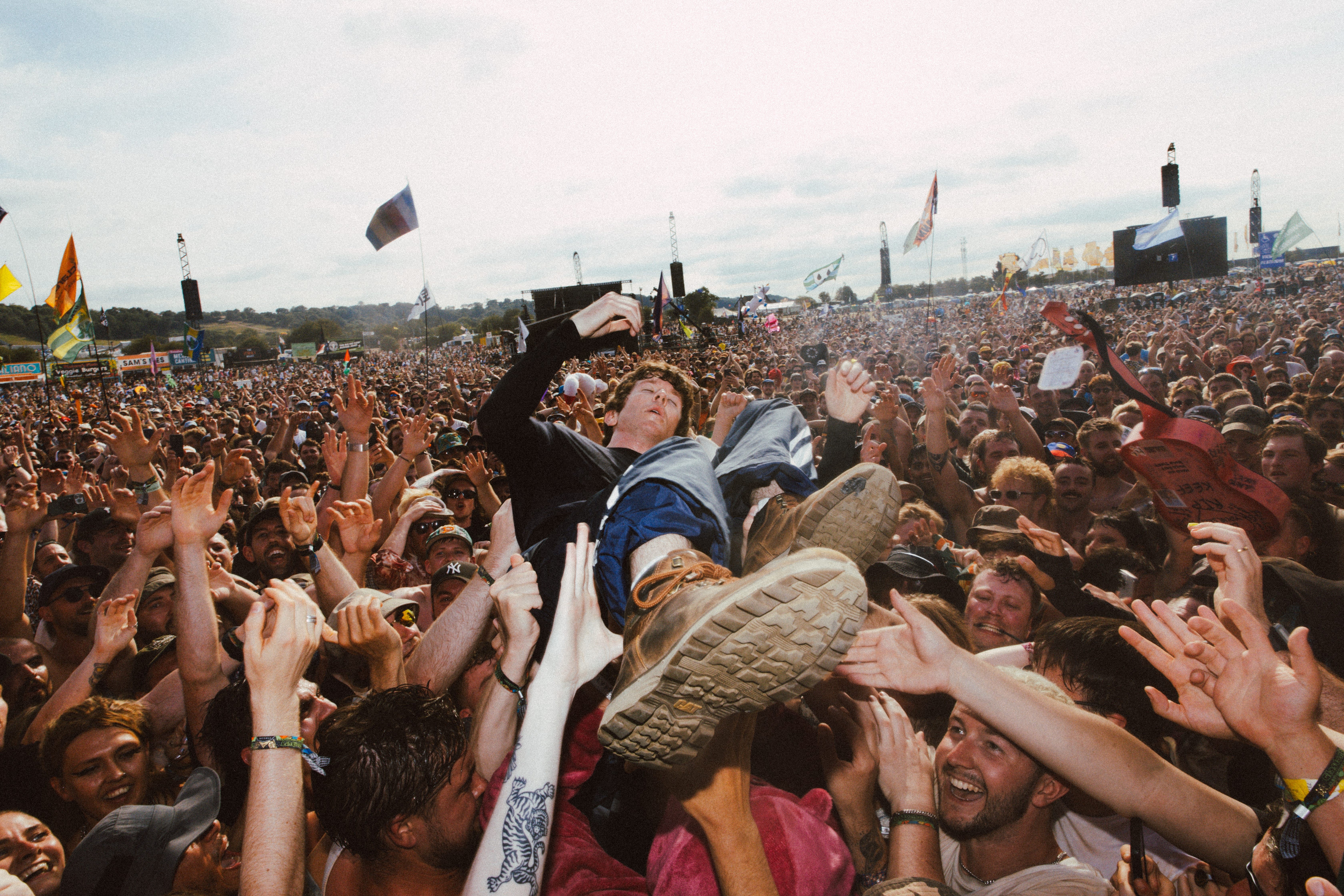
While most photographers have lost sight of the medium's core purpose and unwittingly strayed into paparazzi territory, a few continue to honor the craft today. A prime example is American director and photographer, Trevor Roberts. Since joining the band Turnstile on tour in 2025, he has documented the band across their journey, capturing their high-energy stage performances in a way that properly crystallizes the atmosphere of their shows.
The Barrier Moved
First, the digital camera made the craft easier to practice. Then the smartphone did something more radical, putting a decent camera into the pocket of nearly every single person in the crowd. Something unthinkable in the ‘60s, when concert photography was a specialist’s trade. Now the line between attendee and photographer is basically gone. Anyone can shoot the show. And they do, hence the sea of phone screens blocking everyone’s view of the stage. The art form got democratized, for better and for worse.
Social media rewired the incentives. Suddenly anyone could publish, share, and go viral. Next thing you know, everyone is starting a media page covering events. You no longer needed crazy connections or an “in” to get your work in front of people. But when the barrier to entry drops to zero, the algorithm becomes the new gatekeeper. The algorithm doesn’t care about a masterfully composed frame; it cares about engagement and frequency. The art of the photograph has been swallowed by the demand for ‘content,’ birthing an ecosystem that inherently prioritizes disposable quantity over lasting quality.
The powers that be from the fine art world tend to tell us that great work will speak for itself. In this instance, it doesn’t play out that way. Now, the up-and-coming photographer has to be a social media strategist, networker, and content creator too. They have to reverse-engineer pretty much everything, which is rarely the part of the job that made them pick up a camera in the first place. It has become nearly impossible to be a good photographer on skill alone. You have to be a good marketer wearing a photographer’s clothes, jumping around catching all these musicians at fashion week or festivals to stand out and fill your feed with familiar faces everyone is talking about. This takes away from the art itself and puts the focus on clout and access as a currency.
Why the Kids are Winning Anyway
A kid with a camera and no fear of rejection will apply for a media pass. They’ll apply for press. They’ll do it over and over, for the biggest artists at the biggest festivals, because they have nothing to lose. Most of the time they don’t even get in. They will sneak in, or pay for a ticket. If they play their cards right, they can get in through media passes because the supply of outlets hungry for footage has exploded. There have never been more media pages, blogs, aggregators, and content accounts that need images of famous artists now. When that’s the demand, the photo doesn’t have to be beautiful. It now just has to be first.
So the mediocre photo gets used. It gets credit. That credit becomes a portfolio. The portfolio gets the next pass. Rinse and repeat, and a photographer builds a real career shooting their favorite artists at their favorite festivals, which, to be clear, is a genuinely wonderful thing. I’m not against that ladder. We’ve all climbed different versions of it.
But notice what the ladder rewards. It rewards showing up, applying, and delivering something usable fast. It does not especially reward composition, technique, or restraint, or any of the slow knowledge that used to define the craft. Content is the bare minimum now, and everyone needs content, which means photographers and videographers stay in high demand regardless of the level of their work. When “usable and immediate” pays and “beautiful and considered” doesn’t, you get exactly the field we have. The incentive changed, so the output changed. The people are fine. The current meta is optimizing for speed, not the thing I fell in love with.
So What was Actually Lost?
Did opening the gates to everyone justify a flood of uninspired images? I would argue yes, but not because excellence naturally surfaces. It doesn’t; algorithmic systems inevitably submerge quality beneath a wave of mediocrity. Instead, remarkable work only emerges when an individual with taste uncovers it.
Previously, limited access automatically filtered the content. Now, in an era of boundless imagery, scarcity has shifted. The photographs themselves are no longer rare, but focused attention and a discerning eye are. That’s why tastemakers and curators are more important than ever. In this landscape, there is an increasing value in selection and presentation. An outside source who can select what is worth consuming for us. It’s a fair trade at the cost of universal access.
“…That’s why tastemakers and curators are more important than ever. In this landscape, there is an increasing value in selection and presentation…” We can’t combat poor photography. Everyone has a cam these days and most everyone thinks they take good pictures. So be it - enjoy. The reality is, most people rarely actually look at the images they take with any degree of frequency. Only those of us that have made image capture a priority in our lives in some way understand what it means to take a good pic - one that is lasting and emotive - and that is a skill those of us that put value on, will always have.
I’ve been ranting a similar message for quite some time, particularly noting how poor composition skills have become in the concert photo genre.
And, now there is an obsession with using gimmicky filters (IMO, to attempt to compensate for poor composition — emphasis on “attempt”, as you can put lipstick on a pig, but it’s still a pig.)
And, we also have the sprayers-and-prayers, shooting on burst mode for an entire show. I recently came across a guy who boasts about cranking off 30,000 shots in a two-hour show (equates to an average of about 4 fps, if my math is correct). Yes, you read that correctly. 30k frames in one gig.
If anyone cares to see my work, check out
www.DavidSimchock.com
I’ve been at the music stuff professionally (yes, I get paid) for quite a few years now. You’ll likely recognize a few of the artists in my portfolio.