



Editor’s Note: Viktor Wendt is a Berlin-based brand strategist and cultural researcher who writes the Substack Substanz. I came across his writing and admired how he reads cultural trends across the arts. We spoke about how derivative many artistic projects have started to feel, and how the same references keep resurfacing across social media. This essay goes deeper into that idea, and how to avoid getting trapped in what we’ve been calling the “reference loop.”
— Everett
Guilty: I spent a significant part of my adolescence looking at moodboard pages.
Growing up in a town somewhere in the middle of nowhere in Germany, they were portals into culture. I could learn about streetwear in Harajuku, rap collectives from LA to Stockholm, and teenage bike gangs in Bangkok through the lens of London-based artists.
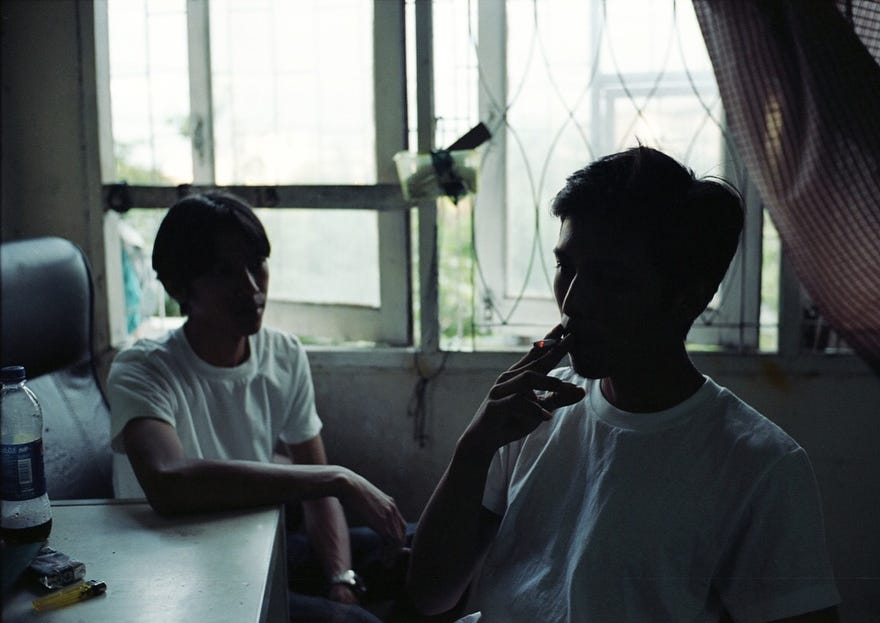
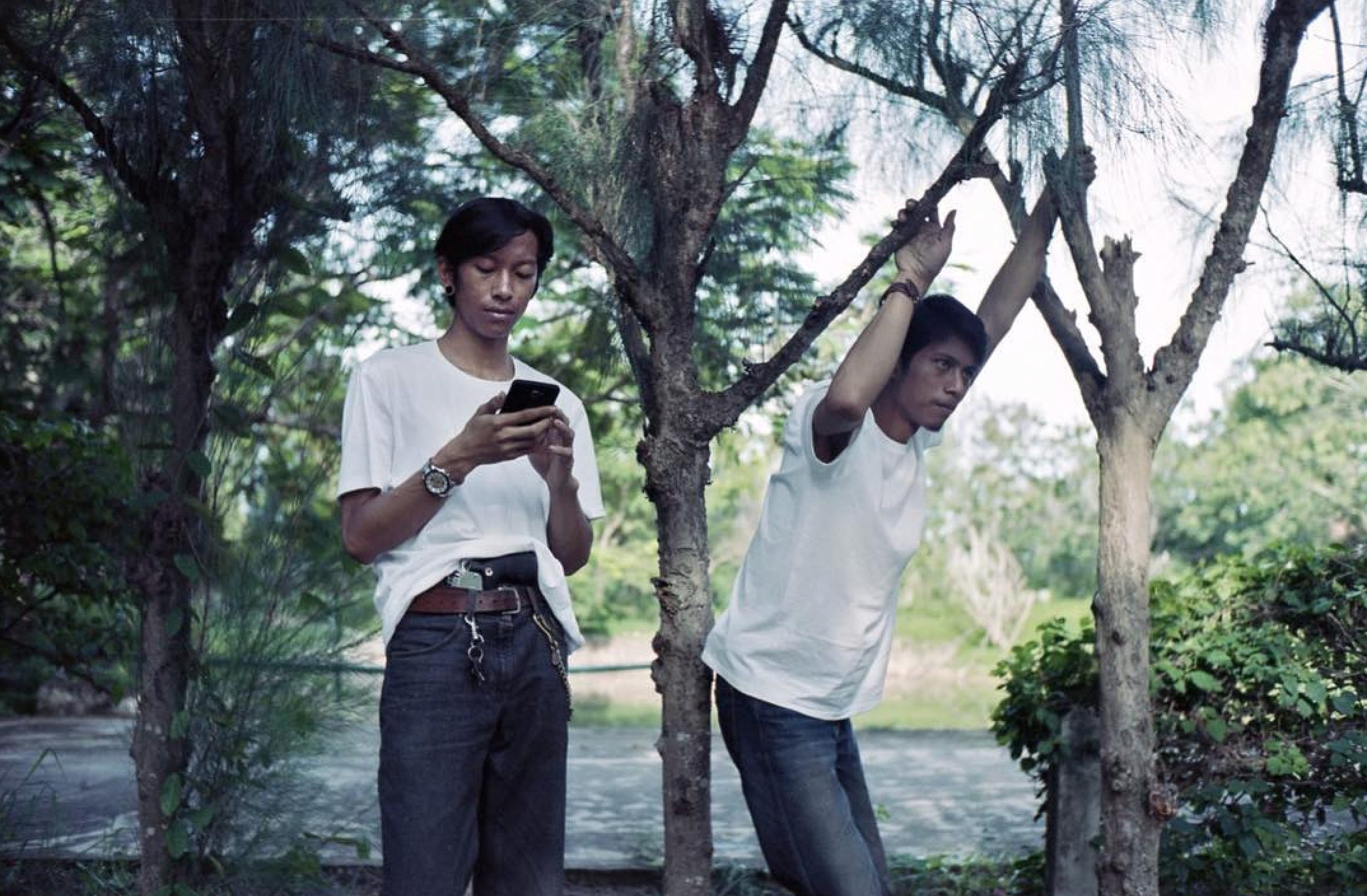
I’m just a museum of all posts saved.
But somewhere across my own internet adolescence, from Tumblr to Pinterest, Instagram, and Are.na, something changed. Portals became funnels.
Rabbit holes turned into reference holes: same reference, different feed. After the twelfth ever-same James Turrell repost, I don’t feel inspired; I feel fatigued – so much so that I still haven’t seen his installation in my local Berlin church, even though it’s barely 15 bike minutes from my place.
From holes to loops
In his book Filterworld, Kyle Chayka zooms in on this passivity of our online consumption, and the role algos play in it. They increasingly shape what gets created and have slowly replaced human curators. While human curation allows discovery through new connections, algorithmic curation mostly caters to what is already popular. It scales precisely because it removes friction – but according to Chayka, “taste is an imaginative exercise meant to be uncomfortable”.
The result is an aesthetically pleasing swirl of the ever-same. And it’s ever-accelerating – through AI.
At a recent lecture at C/O Berlin, Kate Crawford spoke about how AI accelerates cultural production to the point where the system starts to eat itself. Synthetic output starts feeding back into the stream: everything becomes a reference of references of a reference, detached from whatever made it meaningful in the first place.
The machine eats art and spits it out as seamless content, then uses it as reference for future output – flattening culture – from the arts to advertising – into one big beige blur.
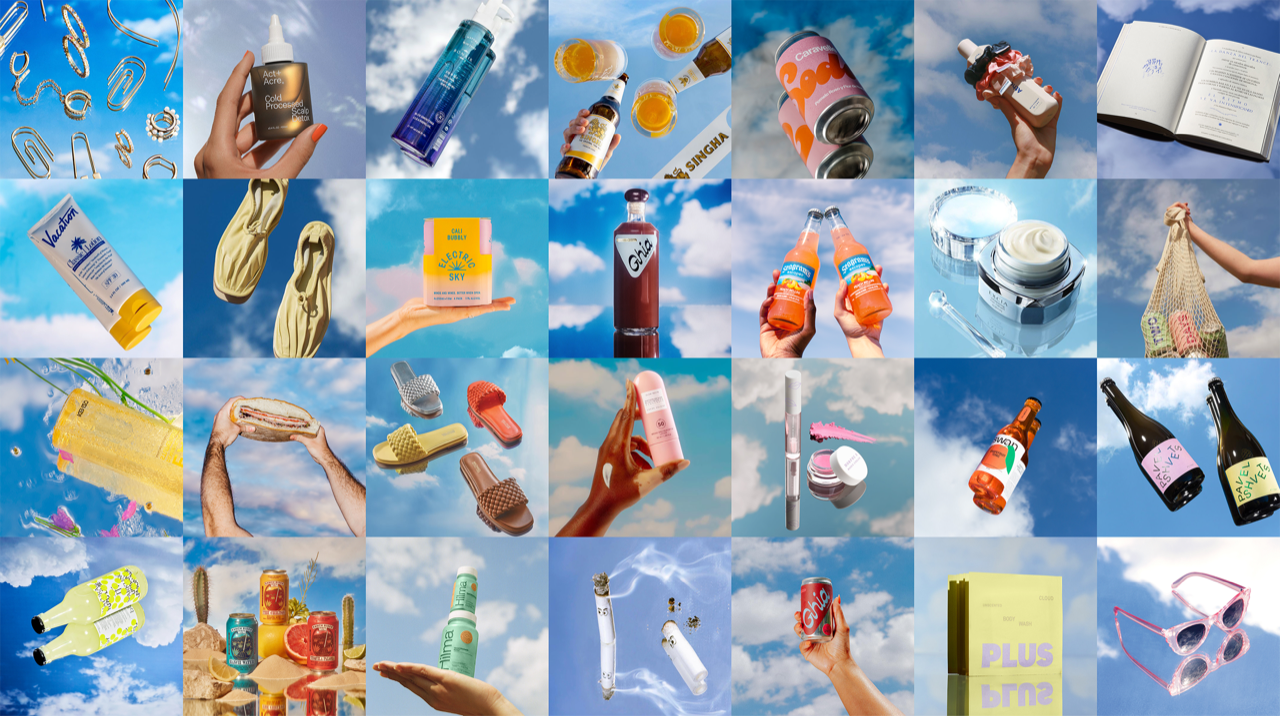
Which makes going against the grain ever so important.
Dump vs. Slop
Good curation goes beyond just reposting what is already familiar.
It creates new connections. Curator Hans Ulrich Obrist often describes it as a form of junction-making: bringing works, ideas and people into relationships that didn’t exist before. That might be exactly what the feed is bad at.
Algorithms categorise. Curators connect. (Curation comes from curare – to care, after all.)
In the best case, it creates a Gesamtkunstwerk – something bigger than the sum of its parts and changes your perception of the world.
When Composition puts Grady Rajagopalan’s 2026 work next to Hieronymus Bosch’s paintings from the 1500s, suddenly you see both differently. It creates a connection that wasn’t there before – while bringing new voices into dialogue with the canon.


There is beauty in this kind of dump. A dump of the same is just slop. When it’s eclectic, it becomes bricolage – creating new meaning through the recombination of old parts.
This is what made the internet so exciting growing up – and what slowly started to fade. In her book Amateurs, Joanna Walsh reflects on the early days of online culture, and how this exciting underdog mentality of early internet artists slowly changed into just feeding the system.
Bricolage has become inverted: “we’re not making art out of bric-a-brac, we’re making bric-a-brac out of art out of art, kitsch out of culture” – flattening culture in the process.
Bricolage is Jon Rafman’s music video for James Blake – merging gaming imagery, internet iconography and that ridiculously soothing voice into something newly strange, which stuck with me after I recently saw it at K21 in Düsseldorf.
And then you have Daniel Arsham turning a Roman sculpture into another scented candle…
Reposting just changes the context. Curation changes your perception.
It’s not so much that the reference hole is the fault of mood board pages – in fact, they can change your perception too by expanding and decoding the canon, while archiving what was lost (as I mapped in this post on my Substack Substanz). Composition, for instance, redirects our attention towards overlooked work and unexpected connections.
Attention opens portals
But even the best curation means little if we don’t pay attention.
In The Hard Questions of Art, Metahaven argue that our bodily perception and art are intrinsically linked, and that art needs our physical attention before it can give anything back. That’s how art can open worlds: “but if you don’t have the time or space to pay attention, you won’t find that gate. You may not even know there was one”. And when the feed keeps us scrolling on autopilot, it’s hard to break out of the loop.
Maybe our FOMO paradoxically makes us miss out on so much.
References shouldn’t paralyze. They should be portals. Without substance, they’re just dead ends.