


This isn’t a think piece on “why taste matters in the age of AI.” I’m actually so tired of that narrative (sorry if that’s what you came for). Instead, I want to argue that paying attention to art outside your craft, even just on your feed, makes you better at your own.
As more artists have joined the paid membership of this newsletter (thank you to all of you btw), I’ve noticed something: many of the talented creatives here don’t exactly fit the archetype I expected the program to attract. I say this largely because Composition was built entirely off the back of my own taste and interests. So I would’ve expected the audience to reflect that. In other words, I thought my audience would have the same taste as me.
Interestingly enough, this hasn’t been the case. Yes, obviously there are many artists among the audience who have the same cultural interests as I do. But there are equally as many who appear to have little in common with me in regard to my interests in fashion, music, and even contemporary art in general.
This came up when I was having a conversation with one of our members, Jordan Perrin. I mentioned something about James Turrell’s work, and I could tell by the look on his face that he had no idea who that was. I was a bit surprised. Personally, I thought Turrell was a household name. Partially because I see his work on my feed at least once a week, but also because his work is so compelling that if you’ve seen any of his installations in real life, it’s hard to forget his name.
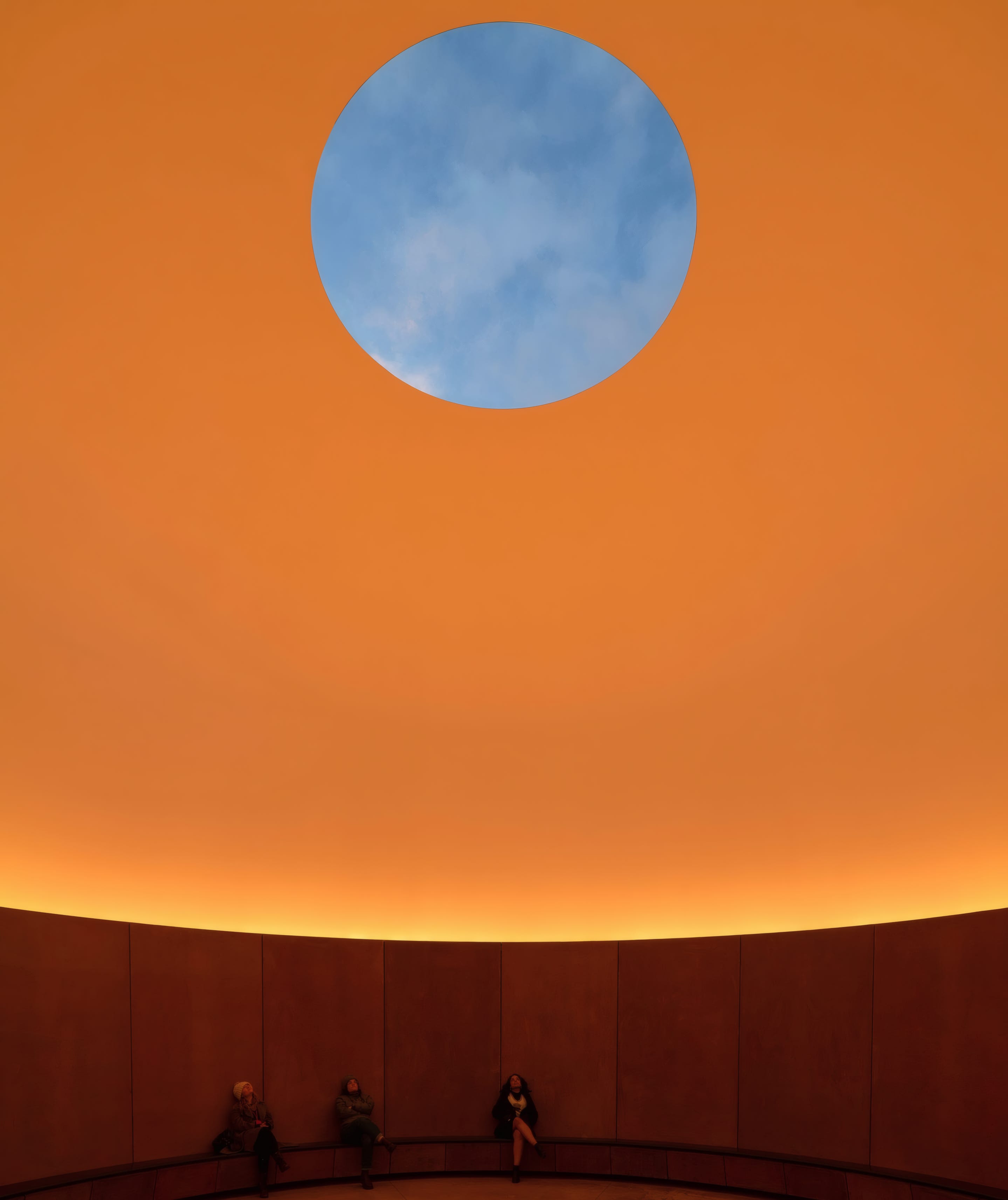
This convo showed me that many practicing artists and photographers don’t always have a deep knowledge of other contemporary artists, even the most famous ones. I didn’t expect that, since for me, studying other people’s work is a core part of my creative process.
In school, I spent hours studying the work of my favorite graphic designers, from the legends of the craft to lesser-known visual artists. Spending time with their work showed me new things to incorporate into the visual style I was developing. Because this was so valuable to me, I assumed it was something every artist does. But as I work with more artists individually, I’ve noticed this isn’t the case. It’s inspiring to me that two people can approach art from completely different directions, and still end up with a deep appreciation for great work. Even if the path someone took to get there is the opposite of mine.
Plenty of great artists don’t follow contemporary art, music, or fashion closely. Still, I think a bit of cultural awareness goes a long way toward improving your own work.
I see this most often with photographers. I think that’s because photography is such a technical medium. Many photographers are introduced to it through camera gear, and it often starts as a hobby. They might start by shooting on the street or on photo walks as a way to be more present and see the world differently. This habit can be a gateway into an art form they wouldn’t have picked up otherwise. The longer they shoot, the more they care about composition, framing, and what actually makes a shot good. The result is a photographer making genuinely compelling work, with a developed artistic eye arriving after the gear rather than before it.
Many of these photographers found Composition through its photography curation, so it makes sense that the other art forms I feature don’t always land with them. And there’s nothing wrong with that. You can become an extremely talented photographer without knowing who Richard Serra is, but I’d argue that exploring other mediums will make you a better one.
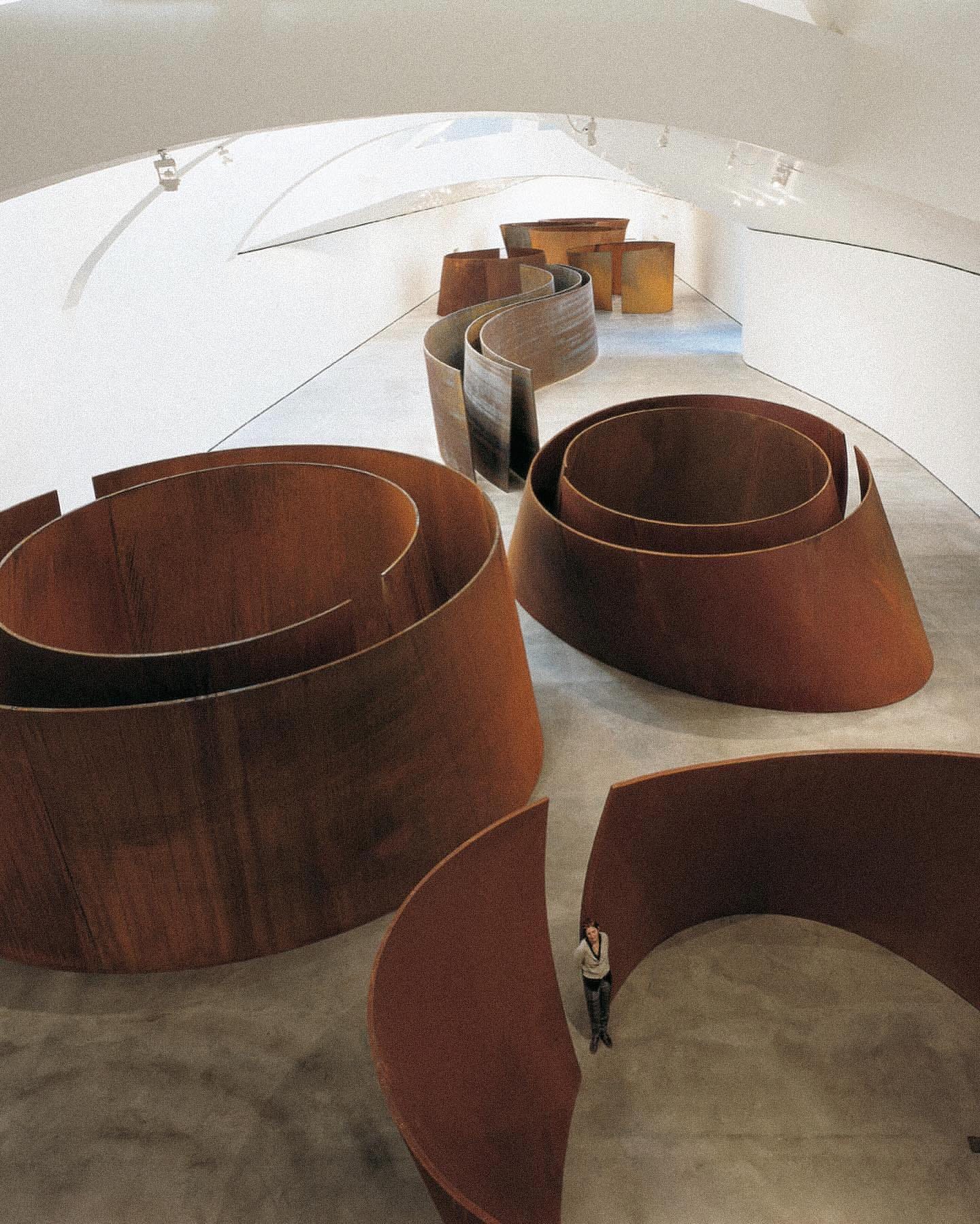
Behind the paywall: why the principles of great art carry across every medium (and why I finally forgave my Foundations professors), how to translate what you notice into your own distinct style, and how doomscrolling can actually improve your work.
Paid subscribers also get access to Composition’s submission portal and a guaranteed spot in each month’s Members’ Exhibition, the Composition Spotlight. Members receive priority consideration for a full feature across Composition’s 350k+ follower audience.